
Corrections
Inmate testimonies underscored pervasive systemic and personal inequities, racism, and a notable lack of cultural understanding between correctional and inmates. A recurrent theme emerged, with inmates expressing that white staff exhibited compassion and favoritism towards fellow white inmates, drawing parallels with familial relationships, while Black inmates were often ‘painted with the same brush’. The geographical location of prisons was also raised, with inmates suggesting that staff, prior to their correctional roles, had limited exposure to Black individuals, leading to the development of biased perceptions rooted in media portrayals.
Moreover, Black inmates emphasized a significant gap in cultural understanding among correctional officers, contributing to the prevalent overrepresentation of Black individuals in maximum-security settings. The pervasive stereotype of Black people as inherently more violent, aggressive, and angry perpetuates a dehumanizing treatment akin to animals. “We are animals in the eyes of the CO’s”
Inmates shared experiences of systemic mistreatment, ranging from illegal searches to visit cancellations with family who drive hours to visit their loved ones. A unanimous concern echoed by 50 inmates incarcerated in Warkworth institution revealed that Black families undergo more thorough searches than their white counterparts.
The perception that any support extended to them is intentionally sabotaged prevails among inmates, compounded by a dearth of culturally relevant assistance. A consensus among incarcerated individuals pointed to a stark racial disparity in parole approval rates, program placements, and cascading to lower-security facilities.
Individuals incarcerated in provincial correctional facilities amid the COVID-19 pandemic conveyed accounts of deplorable conditions experienced during the pre-trial phase. It is noteworthy to acknowledge that a significant proportion of those in pretrial detention are of Black ethnicity, a phenomenon that underscores systemic manifestations of racial injustice “We take plea deals to get out of hell even if we’re innocent”
Additionally, there was a unanimous sentiment among inmates that Security Threat Group (STG) and Gang Affiliation labelling is an example of unjust, inherently racist, and a perpetuator of stereotypes against Black individuals from high-risk neighborhoods. In their collective grievances, inmates assert that these labels are often inaccurately assigned, posing significant threats to their safety. The consequences ripple across various aspects of their incarceration, including living conditions, access to programs and supports, incarceration experiences, employability, rate of pay, and parole considerations. Critically, the absence of a structured mechanism for label removal compounds the issue, resulting in a disconcerting cycle where individuals enter the criminal justice system without gang affiliations, only to emerge labeled as such, irrespective of their initial status."
Equally important, the lack of programming available to support individuals who are gang involved in challenging and overcoming negative mindsets, ultimately facilitating an exit from the gang lifestyle, represents a substantial concern. The purpose of incarceration is to rehabilitate and without the appropriate supports black inmates cannot successfully address their needs. This dynamic is evident in the continuity of gang involvement among both individuals entering correctional facilities already affiliated and those entering without such affiliations but subsequently becoming entangled or mislabeled and forced in gang associations. Such discrepancies underscore the inherent contradictions within the justice system. Remarkably, a comparative analysis with a Quebec ,Security Threat Group (STG), focused prison housing bikers and the mafia highlighted a stark contrast in the availability of supports, further underscoring the systemic disparities encountered by Black Security Threat Group (STG) labeled inmates in Ontario.
The identified challenge with these institutions lies in the apparent deficit of accountability, as they operate without robust oversight mechanisms. The Correctional Service Canada (CSC) approach allows institutions the ability to self-govern. This autonomy perpetuates persistent barriers, unequal treatment, and discrimination, thereby sustaining systemic challenges. “Jail and prison does not rehabilitate you. As a Black person it is made to deteriorate you. Collins Bay,”
A comprehensive total of 280 interviews were conducted as part of our study. This included 20 interviews with service providers, institutional staff, and leaders, as well as 15 interviews with young individuals with lived experience. The majority of our interviews, comprising 245, were conducted with inmates within three federal prisons: Beavercreek, Warkworth, and Collins Bay institutions. This extensive range of interviews allowed us to gather diverse perspectives and insights across various stakeholders in the criminal justice system.
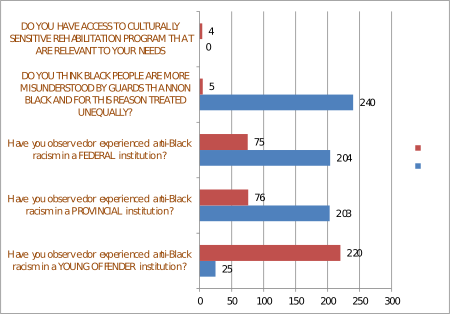
The figure below summarises experiences of inmates with regard to corrections:
Text version
The figure above includes responses to questions about access to culturally sensitive rehabilitation programs relevant to their needs, whether Black individuals are misunderstood and treated unequally by guards compared to non-Black individuals, and whether they have observed or experienced anti-Black racism in federal, provincial, or young offender institutions. The figure displays the distributions of responses, including those who agreed and those who did not provide an answer.
Do you have access to culturally sensitive rehabilitation program that are relevant to your needs
- No Answer (4)
- Yes (0)
Do you think black people are more misunderstood by guards than non black and for this reason treated unequally?
- No Answer (5)
- Yes (240)
Have you observed or experienced anti-Black racism in a FEDERAL institution?
- No Answer (75)
- Yes (204)
Have you observed or experienced anti-Black racism in a PROVINCIAL institution?
- No Answer (76)
- Yes (203)
Have you observed or experienced anti-Black racism in a YOUNG OFFENDER institution?
- No Answer (220)
- Yes (25)
The table below summarizes recommendations made with regard to corrections.
| Recommendations from BJS | Inmates agreed | N/A (inmates did not answer for a variety of reasons) |
|---|---|---|
|
47% | 53% |
|
73% | 19% |
|
36% | 64% |
|
80% | 20% |
|
85% | 15% |
|
79% | 21% |
Out of the above Black Justice Strategy recommendations, the following recommendations were highlighted by 245 inmates in Beavercreek, Warkworth and Collins Bay with recommendations for action
- Review and revise security classification procedures and gang labeling procedures to ensure they are free from racial bias. provide training for staff involved in the classification process to recognize and mitigate the impact of unconscious bias.
- Prioritize access to education, training, and other programming for Black prisoners
- Establish partnerships with community organizations that can offer specialized services and support to Black prisoners.
- Additional issues and recommendations
1. Review and revise security classification procedures and gang labeling procedures to ensure they are free from racial bias. provide training for staff involved in the classification process to recognize and mitigate the impact of unconscious bias:
Security Threat Group (STG) Gang labelling
245 Incarcerated men interviewed voiced their concerns about anti-Black racism and stereotyping through the Security Threat Group (STG) and Gang Affiliation label. A young Black person who is from a high priority neighborhood is likely to be STG labelled due to of his address despite not having any gang involvement. For this reason, Black people from impoverished neighborhoods in the GTA with high levels of gang/gun activity may be incorrectly STG labelled. We recognize the necessity of maintaining safety by segregating individuals from rival neighborhoods; however, the erroneous labeling of individuals poses a significant problem. It is imperative that individuals are not unjustly criminalized based solely on their neighborhood of origin. A concerning pattern is observed among many Black individuals entering prisons without a Security Threat Group (STG) label. Subsequently, the prison, influenced by the individual’s neighborhood or associations within the prison environment, affixes an STG label to them. This practice raises fundamental concerns regarding the equitable and accurate categorization of Black inmates.
The assignment of a Security Threat Group (STG) and Gang Affiliation label can significantly impede the quality of life for individuals in custody. This designation has far-reaching consequences, influencing security classifications, placements, employment opportunities, rates of pay, access to privileges, and parole considerations. Importantly, an inaccurate STG label not only next to possible to remove but it also poses serious safety concerns. Of comparable significance is the noteworthy absence of programming tailored to assist individuals engaged in gang activity to rehabilitate and exit from the gang lifestyle. This deficiency raises substantial concerns, particularly in light of the rehabilitative purpose of incarceration. Without the requisite support structures, Black inmates face challenges in effectively addressing their mindsets, challenges and behaviors within the gun and gang culture. This pattern is observed both in individuals entering correctional facilities with pre-existing affiliations and those initially devoid of such connections, but who subsequently find themselves entangled or inaccurately labeled, compelled into gang associations. These disparities underscore inherent contradictions within the justice system, revealing a critical need for targeted intervention and comprehensive rehabilitation measures.
“STG is like the mark of the beast that never goes away”. (collins bay)
On the basis of this information, Figure 2 shows recommendations made by the 245 interviewed inmates regarding Security Threat Group (STG) gang labeling.
Figure 2: STG gang labelling recommendations
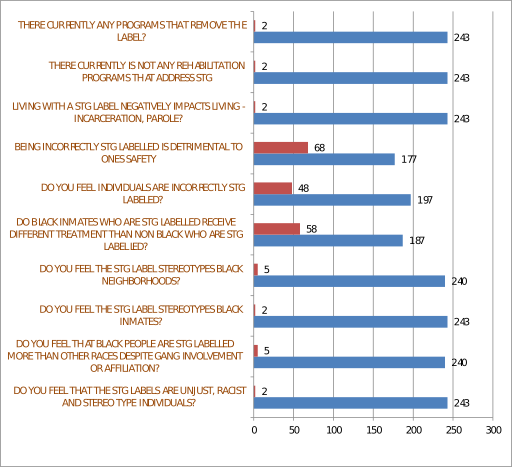
Figure 2: STG gang labelling recommendations – Text version
Figure 2 shows recommendations made by the 245 interviewed inmates regarding Security Threat Group (STG) gang labeling. The figure includes the proportions of participants who agreed with each recommendation, as well as those who did not provide an answer.
There currently any programs that remove the label?
- No Answer (2)
- Yes (243)
There currently is not any rehabilitation programs that address stg
- No Answer (2)
- Yes (243)
Living with a stg label negatively impacts living incarceration, parole?
- No Answer (2)
- Yes (243)
Being incorrectly stg labelled is detrimental to ones safety
- No Answer (168)
- Yes (177)
Do you feel individuals are incorrectly stg labeled?
- No Answer (5)
- Yes (240)
Do you feel the stg label stereotypes black inmates?
- No Answer (2)
- Yes (243)
Do you feel that black people are stg labelled more than other races despite gang involvement or affiliation?
- No Answer (5)
- Yes (240)
Do you feel that the stg labels are unjust, racist and stereo type individuals?
- No Answer (2)
- Yes (243)
Verbatim voices of inmates regarding STG gang labelling
“Because of the area you’re from as a Black individual they label you as STG.”
Inmate in Beavercreek Institution
“STG label was made for black ppl.”
Inmate in Collins Bay Institution
“A white person from same neighborhood, same charge will not be STG labelled”
Inmate Collins Bay,
“STG labeled is abused by CSC for decades and Black men in prison will not be able to get any trust jobs in the institution.”
Inmate Beavercreek,
“STG is made to extend your sentence to control and incarcerate Black men.”
Inmate Collins Bay,
I was STG labelled and got run around for a long time because I was seen as a black man drinking a beer in front of my family’s house in Jane and Finch,
Inmate Beavercreek
“The regulations make it impossible to stay sane within the institution.”
Inmate Beavercreek
Recommendations are:
- Provide external training for staff, such as Dr. Bempah/Think2wice, to enhance their ability to effectively identify Security Threat Groups (STGs), addressing concerns about subjectivity and potential racial biases in the current assessments.
- Establish comprehensive programming specifically designed to address and remove Security Threat Groups (STG) labels. Develop or support initiatives that function as STG removal programs, incorporating distinct phases. This programming should cater to different levels of involvement, from affiliation to association, creating a safe space, targeting risk factors, fostering behavior change, and addressing negative mindsets.
- Differentiate the STG label into categories, distinguishing between gang involvement, gang affiliation, and association, to provide a more nuanced understanding and response to each.
- Re-evaluate and amend regulations related to the Security Threat Groups (STG) label, considering the removal of ‘gang association’ or associated punishments, ensuring a fair and just process.
- Mitigate the impact of STG labels for association and affiliation, recognizing the distinction from direct involvement while adhering to proper labeling procedures.
- Implement procedures to ensure consistent application of gang labels across all individuals, avoiding discriminatory practices and preventing selective labeling, particularly targeting Black youth from specific neighborhoods.
- Minimize the negative impact on STG-labeled inmates and adopt practices akin to those observed in Quebec, where support systems for gang-involved prisoners are more comprehensive.
- Collaborate with community experts to develop and implement initiatives aimed at addressing the complexities of gang involvement within correctional settings.
- Establish an accountability circle comprising experienced, Black-led, community-based organizations with expertise in working with gang-involved individuals. This circle would periodically consult and assess the STG labeling process.
- Eliminate all discriminatory practices, ensuring unbiased assessments of STG labeling and promoting equality in the process.
- Enhance transparency surrounding the STG label, providing detailed information on how individuals are assessed and the criteria involved.
- Collect and analyze race-based data related to the STG label to identify and address any disparities in labeling practices.
- Improve the support mechanisms for individuals appealing incorrect STG labels or challenging gang affiliations in their correctional files, ensuring a fair and accessible appeals process.
Maximum security
There were 28 respondents in Maximum Security who took part in the study out of the 51 inmates interviewed.
| Questions | Yes | No | N/A |
|---|---|---|---|
| Have you ever been incarcerated in a maximum-security prison? | 28 | 16 | 6 |
| Did the 22/23-hour lock downs in the max impact your mental health? | 28 | 0 | 0 |
| Did you receive any mental health support? | 0 | 28 | 0 |
The disproportionate placement of Black individuals in maximum-security facilities is driven by stereotypes that label them as more aggressive and violent, often portraying them as animals. This biased perception stems from a lack of understanding among staff regarding Black inmates. Once confined to the maximum-security prison, the treatment is uniformly harsh for all inmates.
Conditions within the maximum-security setting exacerbate the challenges faced by inmates. With either 22 or 23 hours of lockdown, depending on employment status, the extended periods of confinement negatively impact the mental health of every inmate. Furthermore, the lack of supportive measures in the maximum-security environment denies individuals the opportunity to rehabilitate or engage in constructive interactions for personal betterment, fostering an environment that perpetuates anger rather than facilitating positive change. Specifically, Black inmates convicted of murder or labeled as violent are mandated to serve a minimum of 2 years in a maximum-security prison. If they face institutional charges during their sentence, regardless of cascading down to a lower security level, they are returned to the maximum-security setting and compelled to restart the progression process. This punitive cycle hinders the potential for rehabilitation and reintegration.
Presently, Ontario has only one maximum-security prison for the general population. (excluding Millhaven which is currently viewed as a protective custody prison) Consequently, incarcerated individuals classified for time in a maximum-security setting and identified with incompatibles are often transferred out of the province. This relocation strips them of the familiar support systems they might have had, plunging them into an environment that fosters depression, substance abuse, heightened violence, and an increased risk of suicides. The absence of local and family support exacerbates the challenges faced by these individuals, underscoring the need for a more comprehensive and humane approach to the management of high-security cases within the provincial correctional system.
Recommendations are:
- Review criteria used in security classifications to ensure anti-Black bias does not lead to over-classification of Black inmates to maximum security.
- Provide ongoing bias training for staff involved in security classifications.
- Implement safeguards, such as external oversight, to prevent overuse of maximum security for Black inmates.
- Ensure maximum security settings meet basic human rights standards and provide mental health supports.
- Continue gathering inmate feedback on equity issues in the classification system.
- The engagement of an independent external entity to manage and investigate complaints originating from all federally incarcerated inmates. This external oversight framework enhances transparency and accountability, providing a robust mechanism for addressing concerns within the maximum-security context.
- Reduction of Prolonged Lockdowns: the elimination of extended lockdowns, such as the current 23-hour lockdowns emphasizing the distinction that individuals in these settings are not serial offenders. This adjustment seeks to humanize the approach, aiming to mitigate the adverse effects associated with prolonged isolation while maintaining institutional security.
- The introduction of a diverse array of culturally sensitive programming within maximum-security facilities. Tailoring programs to align with the cultural backgrounds of the inmate population can foster a more inclusive and supportive environment, promoting personal development and facilitating rehabilitation.
- Correctional Service Canada (CSC) to collaborate with Black led, Black serving community organizations to bolster mental health support services for individuals in maximum-security prisons. Recognizing the heightened mental health challenges resulting from extended periods of confinement, this recommendation emphasizes the importance of addressing unresolved trauma and grief.
Inmates verbatim responses are as follows:
“An example of someone they put in the max: you are big and black and shouted. They deem you as violent and put you in the maximum security.”
Inmate Collins Bay
“They treat us like animals, cage us in a cell like we are animals and wonder why we fight when we finally get to go to the yard”
“I found the max to be stressful and drove me mad”
2. Prioritize access to education, training, and other programming for Black prisoners:
Out of 245 surveyed inmates, 208 concurred that prioritizing education, training, and programming is pivotal in diminishing the overrepresentation of Black individuals in correctional facilities. This strategic emphasis is seen as a key initiative to reduce systemic disparities and combat anti-Black racism within correctional institutions.
A substantial 241 inmates expressed consensus on the absence of access to culturally relevant programming tailored to meet their specific needs. This underscores the urgent need for a comprehensive review and implementation of culturally sensitive initiatives within the correctional system to address the diverse requirements of the incarcerated population.
| Questions | Yes | No | N/A |
|---|---|---|---|
| Do you have access to culturally sensitive rehabilitation programs that are relevant to your needs? | 241 | 0 | 4 |
| Do you recommend Prioritize access to education, training, and other programming for Black prisoners establish partnerships with community organizations that can offer specialized services and support to Black prisoners. | 208 | 0 | 37 |
Black inmates voiced significant concerns regarding the lack of culturally relevant rehabilitation programming within the Correctional Service Canada (CSC) system. This deficiency extends to the absence of gang exit programs that specifically address Security Threat Group (STG) labels, as well as the limited availability of support for accessing education, skills training, and trades. The essential components for successful rehabilitation, which are integral to addressing the multifaceted needs of Black inmates, are notably lacking in the current programming landscape.
It is particularly noteworthy that the existing programming predominantly focuses on the white inmate population, leaving a noticeable gap in meeting the unique requirements of Black inmates. The singular culturally focused programming and support currently in place are directed toward the indigenous population, highlighting an evident disparity in the provision of culturally relevant services.
Furthermore, inmates conveyed that while they have some access to education, it is insufficient. Post-secondary education poses an additional challenge, with inmates often left to navigate financial support independently. Institutional policies either restrict inmates from receiving bursaries or, if allowed, limit the number of inmates eligible to receive such support per year. This financial barrier hinders the educational advancement of inmates, posing a considerable obstacle to their successful reintegration into society.
Recommendations are:
- Promote Culturally Sensitive Programming: Emphasize the importance of culturally sensitive programming, recognizing the significance of tailored interventions that respect and honor diverse cultural backgrounds.
- Allocate Funding for Diverse Black-Focused Services: funds to support a range of Black-focused services dedicated to rehabilitation, pre-release preparation, and effective reintegration.
- Support Successful Culturally Relevant Programs: Provide assistance and recognition to culturally relevant programs that have demonstrated success among individuals currently incarcerated or those in the process of reintegrating into society.
- Eliminate Barriers for Black-Led Supports: Remove existing barriers, such as the Enhanced Security Check, that hinder Black-led support organizations from providing assistance. Streamlining processes and eliminating unnecessary obstacles ensures a more accessible and equitable provision of support.
- Ensure Equality and Respect for Black-Led Community Groups: Uphold principles of equality and respect for faithful and successful Black-led community groups. Recognizing their valuable contributions and providing equal footing enhances the effectiveness of community-based initiatives.
- Forge Partnerships with Culturally Sensitive Programming Providers: Collaborate with community organizations offering culturally sensitive programming that directly addresses gun/gang involvement, affiliation, and the associated mindset challenges.
- Collaborate on Non-Traditional Mental Health Programming: Partner with community supports offering non-traditional mental health programming, encompassing trauma/grief/loss interventions through avenues such as the arts, workshops, case management, and counseling. Diversifying mental health support options ensures a holistic approach to well-being.
- Facilitate Culturally Sensitive Support Programs: Foster partnerships with community organizations delivering culturally sensitive supports addressing addictions, life skills, and issues of abuse.
- Develop Programs for Young People in Transition: Create or collaborate with community organizations to provide targeted programming for Young People in Transition, specifically those aged 18-24. Tailoring initiatives to meet the unique needs of this demographic enhances their chances of successful rehabilitation.
- Implement a Father-Child Program for Black Individuals: Introduce a dedicated Father-Child program designed specifically for Black individuals, recognizing the importance of family connections in the rehabilitation process.
- Support Spiritual Groups: Acknowledge and support the role of Black led spiritual groups in the rehabilitation process.
- Cultivate Understanding of Black History and Identity: Integrate programming that emphasizes Black history and identity, promoting a deeper understanding of cultural heritage as a component of rehabilitation.
- Prioritize Access to Education/Training and Post-Secondary Support: prioritize access to education and training for Black prisoners, ensuring equitable supports and opportunities for post-secondary education. This proactive approach facilitates skill development and reduces barriers to success upon release.
- Offer Workshops on Rights/Law, Business, Technology, and Skills/Trade: Establish a comprehensive workshop covering rights and law, business, technology, and skills/trade to equip individuals for successful reintegration into society. This diverse skill set ensures individuals are not left behind in an evolving socio-economic landscape.
Extending Supports to Young people in Transition 18-24
Numerous individuals undergo a direct transition from youth custody to adult institutions upon reaching the age of 18, lacking the gradual increments that facilitate youth development during this critical process. This specific age group, predominantly comprised of Black individuals, is disproportionately affected by gun and gang violence, whether as victims or perpetrators. While the majority of inmate participants did not propose extending the age for young offender status, it is crucial to recognize that this particular age cohort requires additional supports to navigate the challenges associated with their unique circumstances. Addressing the lack of transitional support and acknowledging the specific needs of this age group is paramount for fostering successful rehabilitation within this demographic.
Recommendations are:
- Develop community partnerships and supports that would prepare and assist young people in transitioning Foster Black led Community Partnerships for Smooth Transition: community partnerships and support networks dedicated to preparing and assisting young people in their transition from youth to adult facilities.
- Expansion of Youth Criminal Justice Act Application: an expansion of the Youth Criminal Justice Act to encompass young people aged 12 to 25, ensuring that this extended age range can access necessary supports within adult facilities.
- Implementation of Targeted Programming: These programs should align with recommendations for non-traditional interventions, including strategies for mindset transformation and the removal of Street Threat Group (STG) labels.
3. Establish partnerships with community organizations that can offer specialized services and support to Black prisoners:
Establishing robust community partnerships is imperative for the successful rehabilitation, pre-release, and reintegration of Black inmates. Feedback from inmate participants underscores a critical need for consistent, culturally sensitive programming to support rehabilitation efforts. Despite their eagerness to rehabilitate, the current programming offered by the Correctional Service Canada (CSC) has not met the unique needs of Black inmates. The key elements for effective programming and support for incarcerated Black individuals revolve around understanding, trust, and commitment.
CSC’s endorsement of experienced Black-led, Black-focused support organizations, equipped with a nuanced understanding of the Black prison population and community needs, is crucial. The collaboration with such organizations ensures that programming aligns with the specific requirements of Black inmates.
As a community-led program facilitating programming, workshops, and events in eight federal institutions since 2009, I have personally encountered discrimination, inequality, and unfair treatment. Over the years, barriers, including the implementation of the Enhanced Security Clearance in 2017, have been erected to impede my continued support. This clearance, involving fingerprinting, an extensive financial check, and a credit check, proved particularly burdensome for volunteers, leading many to discontinue their support. The impact of the Enhanced Clearance was disproportionately felt by Black volunteers with unfavorable credit histories.
Institutions like Collins Bay and Warkworth selectively used the Enhanced Clearance as a pretext to restrict my access, despite my successful clearance approval. This disparate treatment became evident when white groups and volunteers were not subjected to the same specific clearance requirements. Ensuring that community organizations, especially those traveling from Toronto, are treated with dignity and equality is paramount. Support is urgently needed to address the various needs of the Black inmate population.
Dealing with the complexities of back-end processes, institutional protocols, group dynamics, institutional staff, and programming can be challenging. Community organizations, often the sole support for Black inmates, face the additional burden of navigating these intricacies. The emotional toll, coupled with the responsibility of addressing the many inmates’ needs, can lead to burnout. Respecting and recognizing the sacrifices made by those committed to this cause is essential. To foster successful partnerships with community organizations, a shift is necessary, and there must be accountability for institutional practices.
Recommendations are:
- Strengthen and Leverage Existing Partnerships: utilization of current partnerships, emphasizing committed community supports that have garnered trust among Black inmates.
- Corrections Service Canada (CSC) and SOLGEN to Foster Partnerships for Culturally Sensitive Programming: build and support Black led, Black serving community partnerships
- Diversify Funding Opportunities for Programming: provide supports for a diverse array of Black programming initiatives, rather than restricting support to a single contract.
- Eliminate Barriers to Clearances for Community Organizations: removal of barriers, including enhanced clearances, for community organizations. Clearances should be streamlined to facilitate smoother collaboration and participation in rehabilitation efforts.
- Encourage Corrections Service Canada (RHQ/NHQ), SOLGEN, and/or the Department of Justice or Ministry of Safety and Corrections to commit to holding institutions accountable for any barriers, targeting, or unfair treatment experienced by community organizations. This commitment ensures a transparent and just collaboration environment.
4. Additional issues and recommendations in corrections:
Ethnocultural Committees and Roles
The Ethnocultural Institutional Committee holds the responsibility of overseeing all ethnocultural initiatives in accordance with the Culturalism Act. Present in every prison, this committee comprises an Ethnocultural Site Coordinator, an Ethnocultural Advisor, and an Ethnocultural Inmate Committee. However, concerns have been raised by incarcerated individuals, highlighting a perceived lack of diversity among committee members, with the committee being predominantly composed of individuals who are white.
Regional Ethnocultural Advisory Committee (REACT), National Ethnocultural Advisory Committee (NEACT), Citizens Advisory Committee:
These advisory committees, consisting of community volunteers, most of whom are retired, operate on a voluntary basis. The head of REACT is a Corrections service Canada (CSC) staff member. Inmates who are aware of these committees have expressed dissatisfaction, stating that they have not observed tangible benefits for Black inmates. Concerns were raised about the absence of follow-through on promises of support or the development of culturally sensitive programming. Notably, the last meeting with Black inmates at Collins Bay occurred in March 2009, where an agenda was created but subsequent actions were not taken.
Service providers echoed these grievances, emphasizing the limited presence of these committee members in the community. The few events organized were perceived as misleading, as inmates and community groups reported a disparity between the committees’ claims of extensive engagement within institutions with Black inmates and the observed reality. Moreover, concerns were raised about the exclusion of experienced Black community organizations with a profound understanding of the incarcerated population from committee involvement. Instead, these committees were criticized for predominantly including individuals from their own circles who lack expertise in incarceration-related matters.
Recommendations are:
- Collaborate with experts, particularly organizations leading the Black Justice Strategy, to establish a Black liaison position. Alternatively, consider forming an advisory committee dedicated to overseeing and addressing issues specifically impacting Black inmates in corrections. This committee would focus on areas such as Security Threat Group (STG) labeling, inmate complaints, and programming concerns.
- Conduct a comprehensive review of the roles and composition of the Ethnocultural Committee, REACT, NEACT, and Citizen Advisory Committee. Ensure that these committees accurately represent the diverse needs of the incarcerated population. Consider incorporating community expertise in corrections, particularly those with a deep understanding of the challenges faced by Black inmates.
- Introduce incentives to attract new members to REACT, NEACT, Citizen Advisory, and Ethnocultural Committee. Transform committee positions from voluntary roles to paid positions to attract individuals with specialized knowledge and understanding of the unique needs and challenges faced by Black inmates in corrections.
Medical Treatment:
Recommendations are:
- Increase Representation of Black Healthcare Professionals: Work towards a more diverse healthcare workforce by actively recruiting and hiring a greater number of Black nurses and doctors.
- Implement Timely Medical Assessments: Establish clear protocols to ensure prompt and proactive medical assessments for inmates. Prioritize early intervention by healthcare professionals to address potential health concerns before they escalate.
- Accountability Measures for Medical Staff Institute robust accountability measures for healthcare professionals in jails/prisons. Develop a structured complaints process, including an external body, to address instances where medical staff turn away patients with urgent medical needs.
- Prioritize the implementation of anti-Black racism training for medical staff to foster cultural competence and eliminate biases in healthcare delivery.
- Notification of Next of Kin: ensure that next of kin are promptly notified when an inmate falls ill, rather than days after their passing.
“They found him dead in the morning. His intestines burst. He was denied care by the guards and medical staff. Was in excruciating pain for 3 days. The jail has never taken responsibility”
Inmate Family member
Mental Health:
Addressing Mental Health Needs for Black Inmates:
Black inmates have consistently expressed concerns regarding the inadequate mental health support within correctional facilities. Many detailed the necessity for coping strategies, initiatives, and counseling due to the harsh conditions experienced during the COVID-19 pandemic, including excessive lockdowns in provincial jails. Some voiced instances of torture tactics; exposure to cold air in cells, loud persistent noise, and 22-hour lights-on, mental health ranges screaming all night. Conditions have significantly impacted their mental well-being. It is important to note that the effects of excessive lockdowns impacted inmates mental wellbeing.
In addition to the mental health impacts during Covid, inmates also emphasized the urgent need for mental health support in response to various challenges, including 23-hour lockdowns in maximum-security settings, past unresolved grief, trauma, and the overall lack of sufficient coping mechanisms. Despite numerous requests for support, inmates reported a disheartening lack of responsiveness, with some feeling stigmatized as complainers, others receiving only medication without techniques, and some facing outright neglect.
The provision of mental health supports, coping strategies, and counseling is imperative for Black inmates in the following contexts:
- Impacts of Excessive Lockdowns during Covid: address the mental health repercussions resulting from the extended lockdowns, isolation, and adverse treatment experienced by Black inmates in provincial jails during the COVID-19 pandemic.
- Impacts of Segregation
- Impacts of Max Security 23-Hour Lockdowns
- Unresolved Trauma, Grief, and Loss
- Intergenerational Trauma
- Impacts of Racism
“I believe the excessive lockdowns during Covid-19 because of fear or short staff was to drive inmates crazy. In the South there was primarily Black people. Most white people got bail.”
“There was no mental health supports but was quick to give ppl meds. That’s why people are addicted to drugs now in the pen” (South Detention)
Recommendations are:
- Comprehensive Training for Corrections Service Canada (CSC) Mental Health Workers: Provide specialized training for CSC mental health workers to ensure a deep understanding of mental health, wellness, trust-building, and the effective use of techniques as alternatives to medication. This training should encompass a thorough examination of mental health within the Black community, addressing issues, coping techniques, available supports, cultural considerations, and intergenerational trauma, grief, and loss stemming from community violence and gun violence.
- Increased Representation of Black Therapists: Actively recruit and hire more Black therapists within CSC to enhance diversity and cultural competence within the mental health workforce.
- Collaborate with Black community organizations to facilitate the involvement of mental health therapists and non-traditional initiatives within correctional facilities.
- Culturally Competent Mental Health Training: Offer ongoing training to mental health workers on the unique aspects of mental health within the Black community, including cultural considerations, historical trauma, and effective therapeutic techniques. This ensures that mental health professionals are well-equipped to address the specific needs of Black inmates.
Text version
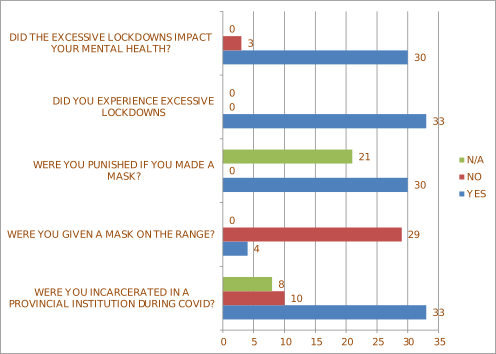
The chart above includes responses to the following questions: ‘Did the excessive lockdowns impact your mental health?’, ‘Do you experience excessive lockdowns?’, ‘Were you punished if you made a mask?’, ‘Were you given a mask on the range?’, and ‘Were you incarcerated in a provincial institution during COVID?’ The chart shows the proportions of respondents who answered yes, no, or did not provide an answer.
Did the excessive lockdowns impact your mental health?
- No Answer (0)
- No (3)
- Yes (30)
Did you experience excessive lockdowns
- No Answer (0)
- No (0)
- Yes (33)
Were you punished if you made a mask?
- No Answer (21)
- No (0)
- Yes (30)
Were you given a mask on the range?
- No Answer (0)
- No (29)
- Yes (4)
Were you incarcerated in a provincial institution during COVID?
- No Answer (8)
- No (10)
- Yes (33)
Food/Special Diet:
Black Inmates within the facility have articulated valid concerns regarding the lack of cultural sensitivity in the provision of special diets, particularly among the sizable Black Muslim population. The raised issues extend beyond mere dietary preferences, delving into the realm of respecting religious customs and hygiene practices during food preparation.
It is imperative to acknowledge and respect the nuanced differences between Halal and Kosher dietary requirements. Inmates have consistently highlighted the need for a more nuanced approach that recognizes and accommodates these distinctions in the provision of special diets. A recurring concern raised by Muslim inmates pertains to the inadequate adherence to hygiene practices during food preparation. Instances of staff neglecting to wash hands before handling food have been reported, underscoring the need for a more culturally sensitive approach to food handling protocols. Comparisons drawn between the treatment of Kosher and Halal diets reveal discrepancies that demand attention. Inmates have pointed out disparities in the quality and frequency of food provision, emphasizing the need for a more equitable and consistent standard for Halal diets. Ensuring equitable access to fresh produce is paramount for addressing inmate concerns. Inmates have noted discrepancies, particularly concerning the provision of vegetables and dairy. Establishing a consistent supply chain will contribute to a more balanced and culturally sensitive dietary program. Complaints about encountering challenges in obtaining approvals for special diets, particularly among Black inmates, merit careful consideration. Streamlining the approval process and ensuring transparency will contribute to a smoother and more efficient dietary support system.
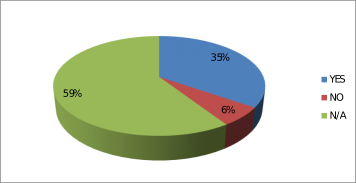
Do you believe the food received for special diets is racist?
Do you believe the food received for special diets is racist? – Text version
Pie Chart do you believe the food received for special diets is racist?
Yes (35%)
NO (6%)
No Answer (59%)
Recommendations are:
- Conduct comprehensive training for staff on cultural sensitivity and hygiene practices in food handling.
- Address disparities in the provision of Kosher and Halal diets, ensuring equal standards for both.
- Implement regular audits of food distribution practices to guarantee adherence to established hygiene protocols.
- Establish a transparent and efficient system for special diet approvals to minimize challenges faced by inmates.
- Ensure equal quality for all special diets; for example, the quality for Halal should reflect the quality of Kosher.
- Ensure that institutions housing prisoners with unique dietary requirements, whether for medical or religious reasons, adhere to the prescribed daily nutritional guidelines.
Complaint process
A significant concern raised by 244 inmates centers around the perceived ineffectiveness of the complaint and grievance resolution mechanisms within the institution. The grievance process is inadequate and there is no accountability on the part of the institutions. An overwhelming amount of Black inmates feel hopeless as they believe their grievances will either fall on deaf ears or they will be targeted. Alarming reports of grievances being ‘lost’ or left unaddressed for years. have surfaced. Black inmates describe instances where their concerns seemingly vanish within the bureaucratic processes, leaving them without resolution or acknowledgment. This not only undermines the credibility of the grievance process but also perpetuates a sense of neglect.
Black inmates have voiced that complaining above the institution through higher channels has deemed them a trouble maker and ‘rat’ and some have been transferred out of province.
Complaints process
Yourself or someone you know has complained, put in grievances and nothing has changed
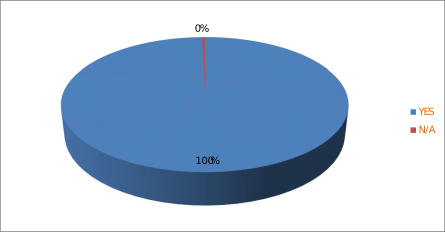
Complaints process – Text version
Pie Chart yourself or someone you know has complained, put in grievances and nothing has changed
Yes (100%)
No Answer (0%)
“Falls on deaf ears” (Collins Bay)
“Stops support for your transfer request” (Collins Bay)
“Targets you” (Collins Bay)
“Making a complaint your likely to get shipped” (Collins Bay)
“Documentation goes missing” (Collins Bay)
“We have witnessed with our own eyes what the guards do with our complaints/grievances. They crumple the paper and throw it out in the trash. Some guards make sure we see it to remind us of the power imbalance and our lack of rights.”
Recommendations are:
- Establish clear timelines for responding to grievances to enhance the process’s efficiency.
- Create an external body, connected to a government body but distinct from the institutions and Correction Service Canada CSC), dedicated to overseeing all complaints and grievances linked to racism within corrections. This independent entity would serve as a safeguard against potential conflicts of interest, ensuring impartiality and accountability in the resolution process. By distancing staff members from the complaint, especially in cases where there may be personal connections, this measure seeks to instill greater confidence in the fairness of the investigative procedures.
- Develop voice recorded interactions between inmates and case managers: Introduce a comprehensive system of voice recording during interactions between inmates and case managers. This initiative aims to enhance transparency and accuracy in communication, providing an objective record of discussions related to grievances and complaints. The availability of recorded interactions can serve as a valuable resource in resolving disputes, ensuring that all pertinent details are accurately documented. This measure contributes to a more accountable and evidence-based complaint resolution process.
Additional recommendations:
- Allow outside light into the South detention. Remove window coverings
- Pandemic prevention measures, including the provision of masks and adequate staffing, to proactively mitigate the risk of excessive lockdowns in both provincial and federal institutions. Preparedness is key to maintaining the well-being of incarcerated individuals.
- Propose the development of a singular set of policies to be uniformly implemented across all federal institutions, ensuring consistency and accountability within the Corrections Service Canada (CSC). Similarly, call for a standardized policy framework for provincial jails, overseen by SOLGEN, to establish accountability.
- Recommend the recruitment of Black Chaplains and the establishment of a Black liaison role within correctional facilities.
- revision of enhanced security clearance forms to facilitate the entry of Black-led support organizations. Remove the barriers to encourage increased participation of Black community supports in delivering programming and services to Black inmates.
- address cleanliness issues in provincial jails, emphasizing sanitary conditions and tackling overcrowding.
Community reintegration
Please see the recommendations that we have highlighted below:
- Develop and implement culturally appropriate reintegration programs tailored to the specific needs and experiences of Black people, in partnership with community-based organizations that have expertise in addressing the unique challenges faced by Black individuals during reintegration.
- Prioritize access to education and vocational training programs for Black people, both within correctional institutions and upon release, to increase their employability and facilitate successful reintegration.
- Ensure access to mental health services tailored to the specific needs and experiences of Black individuals, both during incarceration and upon release.
The interviews conducted underscored significant concerns regarding racial inequities and the absence of cultural competency in parole decisions and reintegration support. Numerous participants expressed the belief that parole boards, influenced by deep-seated biases, perceived them as inherently higher risks for recidivism, leading to more frequent denials and delays compared to their white counterparts. Upon release, the absence of tailored re-entry programming posed considerable challenges. Generic support services, designed for the general population, often overlooked the specific needs of Black individuals, leaving mental health concerns unaddressed. The trauma and violence experienced in their communities were disregarded, exacerbating the unmet mental health needs.
Navigating employment opportunities without relevant skills left participants feeling frustrated and hopeless. The absence of community support, mentoring, and viable opportunities heightened the anticipation of potential reoffending simply to survive.
Reintegration recommendations:
- To tackle these issues, recommendations include implementing cultural competency and anti-bias training for all parole board members to mitigate unconscious biases. Emphasizing the importance of parole decisions being grounded in factual evidence rather than race-based perceptions of risk is crucial.
- Furthermore, the development of re-entry programs should involve extensive input from Black-led community groups to ensure cultural relevance. Establishing vocational partnerships, transitional housing options, and mandated mental health services can help dismantle structural barriers to successful reintegration.
- Introducing mentorship programs that pair former inmates with successful Black community members could provide invaluable guidance and encouragement, fostering the creation of supportive networks essential for successful reintegration.
Develop and implement culturally appropriate reintegration programs tailored to the specific needs and experiences of Black people, in partnership with community-based organizations that have expertise in addressing the unique challenges faced by Black individuals during reintegration:
Among the 245 inmate participants engaged in the evaluation, 118 individuals concurred with the presented recommendations, signifying a notable level of agreement. It’s pertinent to acknowledge that 127 participants chose not to respond for a variety reasons, including engagement with other sections of the questionnaire. Notwithstanding, it is noteworthy that a predominant majority expressed concurrence with the presented recommendations, particularly within the Corrections section.
Black inmates have articulated a pressing need for diverse and culturally sensitive programming that remains consistently available. While expressing their eagerness to rehabilitate, they lament the unmet needs within the existing Correctional Service Canada (CSC) programming. The crux of effective programming and support for incarcerated Black inmates lies in understanding, trust, and unwavering commitment. To address these needs effectively, it is imperative for CSC to support experienced Black-led, Black-focused initiatives.
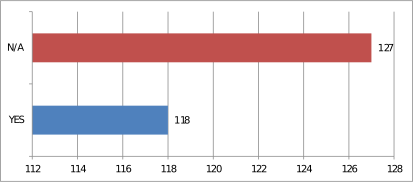
Text version
Chart illustrating the number of respondents who agreed or did not answer the recommendation: ‘Develop and implement culturally appropriate reintegration programs tailored to the specific needs and experiences of Black people, in partnership with community-based organizations that have expertise in addressing the unique challenges faced by Black individuals during reintegration.’
No Answer (127)
Yes (118)
Recommendations are:
- Allocate resources for comprehensive training initiatives within the community.
- Allocate funding to diverse Black-focused services, enhancing their capacity to provide pre-release and reintegration support.
- Provide supports to culturally relevant programs who are currently providing supports
- Remove impediments hindering Black-led support services, such as the Enhanced Security Check. This process, involving a prolonged clearance with credit checks, should be revised to ensure equitable access for Black-led initiatives.
- Ensure equitable treatment and respect of faithful, successful Black-led community groups. This includes dismantling discriminatory practices that impede their contributions.
- Ensure that Parole Officers have seamless access to community supports.
- Facilitate access to non-traditional mental health supports delivered by trusted entities outside of Correctional Service Canada (CSC)
Ensure access to mental health services tailored to the specific needs and experiences of Black individuals, both during incarceration and upon release:
Please refer to ‘Mental Health’ in the ‘Corrections’ section
Prioritize access to education and vocational training programs for Black people, both within correctional institutions and upon release, to increase their employability and facilitate successful reintegration:
In the course of our interviews, 208 out of 245 inmates agreed with this recommendation. They shared a unanimous perspective on the significance of enhancing access to education and vocational training programs for Black individuals within correctional institutions and upon release. Black inmates vehemently expressed their concerns regarding cutbacks in skills training and trades, highlighting the profound repercussions on their lives. The palpable sense of hopelessness faced during the reintegration process without valuable skills was a recurring theme. The gravity of these challenges often led individuals to revert to familiar patterns, underscoring the critical need for educational opportunities. Inmates revealed existing challenges in accessing post-secondary education, compounded by the burden of financial responsibility.
The Security Threat Group (STG) and Gang Affiliation label emerged as a significant barrier, impeding Black inmates’ access to crucial programs, trades, and gainful employment. The adverse impact on the rate of pay further underscored the urgent need for reconsideration and adjustment of the STG label conditions to ensure equitable opportunities in vocational programs and education.
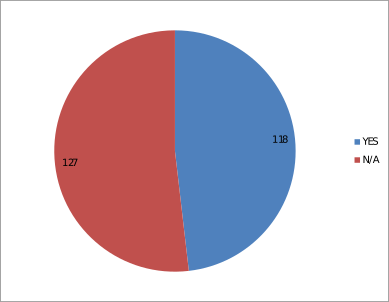
Text version
Chart illustrating the number of respondents who agreed or did not answer the recommendation: ‘Prioritize access to education and vocational training programs for Black people, both within correctional institutions and upon release, to increase their employability and facilitate successful reintegration.’
Yes (118)
No Answer (127)
Recommendations are:
- Remove existing constraints on STG labelled inmates, particularly those impeding their participation in programming, trades, and training.
- Eliminate limitations on the rate of pay for STG-labeled individuals, fostering a more equitable environment.
- Implement measures to ensure that Black inmates have prioritized access to a diverse range of skills, trades, and training programs within correctional facilities.
- Establish strategic partnerships with community organizations specializing in services tailored to the unique needs of Black inmates
- Introduce financial assistance programs to support inmates with to post-secondary education.
Question 1: Studies show that Black prisoners are less likely to be granted parole and when they are released from custody, they face barriers reintegrating into society:
“My P.O is supporting a couple non-black people for parole and they got the same charges as me. Me, I get no support and no motivation to apply she directly told me you will get out on stat”. Collins Bay
Recommendations are:
- Incentives to ensure more Black and diverse Parole officers are hired
- Incentives to ensure more diversity on the parole boards
- Parole officers and board must also be mandated to attend anti Black racism training that addresses under understanding the Black experience, intergenerational trauma, grief, loss, trauma and triggers.
“My parole is June 2025. My stat is 2028. First conviction, First everything. my parole officer told me to apply for parole in 2026 because my STAT is too far”. Collins Bay
Immigration
Since many of the inmates were Canadian born, very few answered questions on their experiences with immigration department/officials.
Table 4 shows their responses regarding immigration issues.
| Recommendations | Agreed with recommendation | Did not respond |
|---|---|---|
| Relax the requirement that individuals waiting for an immigration situation to be resolved not work or go to school. | 52 (21%) | 193 (79%) |
| Allow greater appeal procedures for those who receive removal orders based on criminal convictions. | 49 (20%) | 196 (80%) |
| Reduce the number of offences and the circumstances that can lead to a non-citizen being removed from Canada for a criminal conviction. | 51 (21%) | 194 (79%) |
| Ensure detained individuals are treated humanely | 25 (49%) | 26 (51%) |
| Allow for more access to immigration lawyers | 15 (29%) | 36 (71%) |
| Provide financial support for individuals to maintain legal support | 19 (37%) | 32 (63%) |
“They get stripped of their rights, treated like animals, denied phone calls without knowing what’s gonna happen to them and not having anyone in their corner. ”
Victims of crime
Victims of crime
Do you or someone you know been a victim of crime or a witness to a crime?
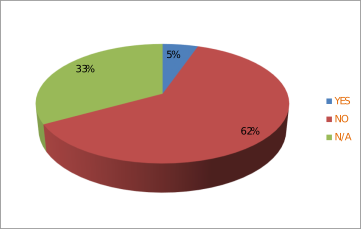
Victims of crime – Text version
Pie chart illustrating the number of respondents who responded yes, no and did not answer the question : ‘Do you or someone you know been a victim of crime or a witness to a crime?’
Yes (5%)
No (62%)
No Answer (33%)
Out of a sample of 245 inmates, 13 individuals reported being victims of a crime or witnessing one, while 151 respondents indicated no such experience, and 81 abstained from providing an answer. It is crucial to note that a significant number of participants either chose to remain silent or responded negatively, potentially due to apprehensions surrounding their image within the prison environment. This reluctance is likely rooted in the fear of being labeled a ‘snitch’ and the associated safety risks inherent in such disclosures, underscoring the need for a more individualized approach to addressing these sensitive issues.
The preponderance of negative or omitted responses to inquiries about victimization prompts consideration of the underlying reasons. It is plausible that many inmates refrained from answering to avoid being perceived as vulnerable or exposing themselves to potential harm. This highlights the pressing need for tailored methodologies, such as one-on-one interviews, which could provide a safer space for individuals to share their experiences without fear of reprisals.
Delving deeper into the narratives of those we serve, it becomes evident that a substantial proportion of incarcerated individuals have been victims in various contexts – be it abuse within their homes, violence in their communities, systemic racism, police violence, school-related challenges, gun violence, or profound personal losses. These circumstances contribute to an environment that coerces individuals into a system reminiscent of ‘survival of the fittest,’ a stark reality that cannot be ignored.
Notably, a concerning trend emerges among young men incarcerated for murder, many of whom were victims of gun violence themselves. The prevailing atmosphere, especially for Black individuals, is one of pervasive insecurity. The dynamics of gun and gang violence have evolved beyond mere involvement, now centering around ‘postal code’ affiliations. It is essential to recognize that a significant number of young people within the system are grappling with post-traumatic stress disorder (PTSD) and unresolved trauma, compounding issues of grief and loss. Retaliation, unfortunately, has become a coping mechanism in this ‘war-like’ environment, where the broader community often fails to grasp the depth of the challenges faced.
It is imperative to acknowledge that the current support systems do not adequately recognize or address the unique challenges faced by Black individuals within the incarcerated population. The lack of understanding regarding the prevailing ‘war’ mentality has led to the lack of relatable, and trustworthy support mechanisms.
“I was in a wheelchair after I got shot 50 times. I got arrested and while in youth custody.”
Experiences:
During our interviews, inmates candidly shared harrowing experiences of victimization within the criminal justice system, shedding light on systemic failures that compound their suffering. Several individuals revealed being victims of gun violence and, distressingly, recounted subsequent victimization by law enforcement and the judicial system for their reluctance to divulge specific names. They articulated the perilous nature of engaging with the police, underscoring a profound lack of understanding and supportive infrastructure. One particularly poignant account detailed an inmate’s stabbing within the confines of a correctional facility. He was awaiting trial for a crime he was later proven innocent of committing. He did not receive any supports from the facility, nor was he given a bible when requested. His narrative unveiled the development of post-traumatic stress disorder (PTSD), a condition left unresolved. Upon release, having endured this traumatizing ordeal, he felt compelled to arm himself, tragically leading to subsequent incarceration on a gun related charge. This heartbreaking sequence of events epitomizes a critical failure in providing supports, ultimately perpetuating a cycle of victimization. Furthermore, incarcerated voices emphasized a pervasive sentiment of the police and legal system’s indifference toward their well-being. Instead of genuine concern, they alleged being exploited as tools to build cases, with little regard for the collateral damage inflicted on the families of those compelled to testify. This disheartening revelation underscores a pressing need for a paradigm shift in the approach to justice.
“They do not care that our life and safety is over and it has a trickle effect to all family members. People have and will kill you without a thought and the police cannot and will not protect us.” (Collins Bay)
“I didn’t say who did it because it would have put my life in danger” (Collins Bay)
“Traumatizing. I didn’t receive supports, I developed PTSD, I was charged because I didn’t say who did it even though I was the victim” (Collins Bay)
“Got charged for not telling who stabbed me. I did not receive supports” (Collins Bay)
“I got shot at two different occasions minding my own business” (Collins Bay)
Recommendations:
- implement anonymous grief and trauma support mechanisms within correctional facilities to encourage inmates to openly address emotional challenges without fear of stigma.
- the establishment of collaborative partnerships with trusted community organizations is recommended to deliver culturally sensitive, non-traditional counseling initiatives, ensuring a tailored approach that respects the diverse backgrounds of the incarcerated population.
“Police took my clothes to check it for gun residue after I got shot”
A Glimpse into Inequalities and Unjust Treatment: Insights from Collins Bay, Warkworth and Beavercreek Institutions:
This section offers a brief overview of the disparities and unfair treatment experienced by Black inmates at Collins Bay institution, drawing insights from consultations with 51 individuals. The narratives shared by Black inmates shed light on issues such as discriminatory gang labeling and the lack of interventions or programming to address the label, absence of skills and trade programs, a deficiency in culturally sensitive initiatives, and a pressing need for mental health support. Additionally, there is a prevailing perception of being labeled as troublemakers when inmates raise concerns or voice complaints.
Based on our consultations with three prisons, Beavercreek stands out as the most supportive to both inmates and Black-led community initiatives. Despite occasional pushback from some staff, the Chaplaincy and Assistant Warden at Beavercreek have consistently demonstrated support. In contrast, Warkworth and Collins Bay present a starkly different scenario. The treatment of Black inmates and Black-led community groups in these institutions is characterized by degradation, inequality, and unjust treatment.
Figure 1: Challenges faced by Black inmates at Collins Bay institution
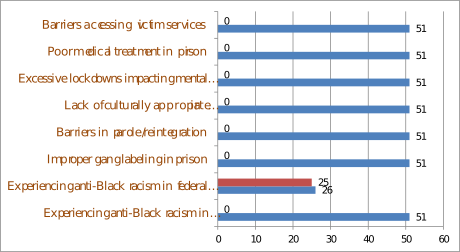
Figure 1: Challenges faced by Black inmates at Collins Bay institution – Text version
Figure 1 shows challenges faced by Black inmates at Collins Bay institution.
Barriers accessing victim services
- No Answer (0)
- Yes (51)
Poor medical treatment in prison
- No Answer (0)
- Yes (51)
Excessive lockdowns impacting mental…
- No Answer (0)
- Yes (51)
Barriers in parole/reintegration
- No Answer (0)
- Yes (51)
Improper gang labeling in prison
- No Answer (0)
- Yes (51)
Experiencing anti-Black racism in federal…
- No Answer (25)
- Yes (26)
Experiencing anti-Black racism in…
- No Answer (0)
- Yes (51)
Figure 1 shows challenges faced by Black inmates at Collins Bay institution.
Key Findings:
- 100% (all 51 respondents) reported experiencing anti-Black racism in provincial institutions. This implies it is a universal issue.
- 51% (26 respondents) reported experiencing anti-Black racism in federal institutions. While lower than provincial, this still suggests it is experienced by over half of respondents.
- 100% reported improper gang labelling in prison, indicating it is also a widespread problem.
- 100% cited barriers in parole/reintegration, pointing to major systemic obstacles.
- 100% noted a lack of culturally appropriate rehabilitation programs, highlighting a major gap in services.
- 100% mentioned excessive lockdowns impacting mental health, implying serious psychological consequences.
- 100% reported poor medical treatment in prison, suggesting completely inadequate healthcare.
- 100% indicated barriers to accessing victim services, showing a failure to provide support.
- Date modified: