
4 Evaluation Findings
4.1 Relevance of Advisory Services
4.1.1 The Demand for Advisory Services is Steadily Increasing
The demand for advisory services increased in volume and complexity during the evaluation period, due in part to the impact of the COVID-19 pandemic, and an ambitious set of government initiatives and priorities.
The nature, volume, and complexity of initiatives undertaken by the federal government largely shape the demand for advisory services. As such, these services are constantly adapting to the approach adopted by the federal government to manage federal programs and activities, advance new initiatives and priorities, and respond to changes in the national and international contexts. From a practical perspective, advisory services function is an essential component of the process that enables the federal government to carry out its mandate.
During the five years covered by the evaluation, the federal government had to respond to the COVID-19 pandemic, which created extraordinary pressures. This period was also described as particularly ambitious with multiple priorities identified in mandate letters provided to each minister, including complex interdepartmental or national initiatives related to climate change, reconciliation, and gender equity, among others.
The available data reflects the significant impact that the COVID-19 pandemic had on the demand for advisory services. As illustrated in Figure 2, the number of active advisory files dropped significantly in 2021–22. This was a result of several projects and initiatives that had to be paused due to the pandemic. The number of active files increased steadily after 2021–22. This trend was experienced by all the groups offering advisory services and has continued since.
Figure 2: Number of Active Files, Advisory Services, FY 2019–20 to FY 2023–24

Figure 2: Number of Active Files, Advisory Services, FY 2019-20 to FY 2023-24 – Text version
Figure 2 : Number of Active Files, Advisory Services, FY 2019–20 to FY 2023–24
| FY | Number of files |
|---|---|
| 2019–20 | 28,071 |
| 2020–21 | 27,310 |
| 2021–22 | 24,846 |
| 2022–23 | 26,504 |
| 2023–24 | 28,478 |
The 2021–22 drop in the number of active files did not translate into a reduced demand for advisory services. As illustrated in Figure 3, the recorded hours for advisory services experienced a sudden increase in 2021–22, and that demand stayed high for the remaining of the period covered by the evaluation. This illustrates the fact that advisory teams were mobilized to help departments and agencies respond to the multitude of challenges triggered by the pandemic, and the subsequent efforts to resume work on all the files that had been dormant during its peak.
Figure 3: Recorded Hours for Advisory Services, FY 2019–20 to FY 2023–24
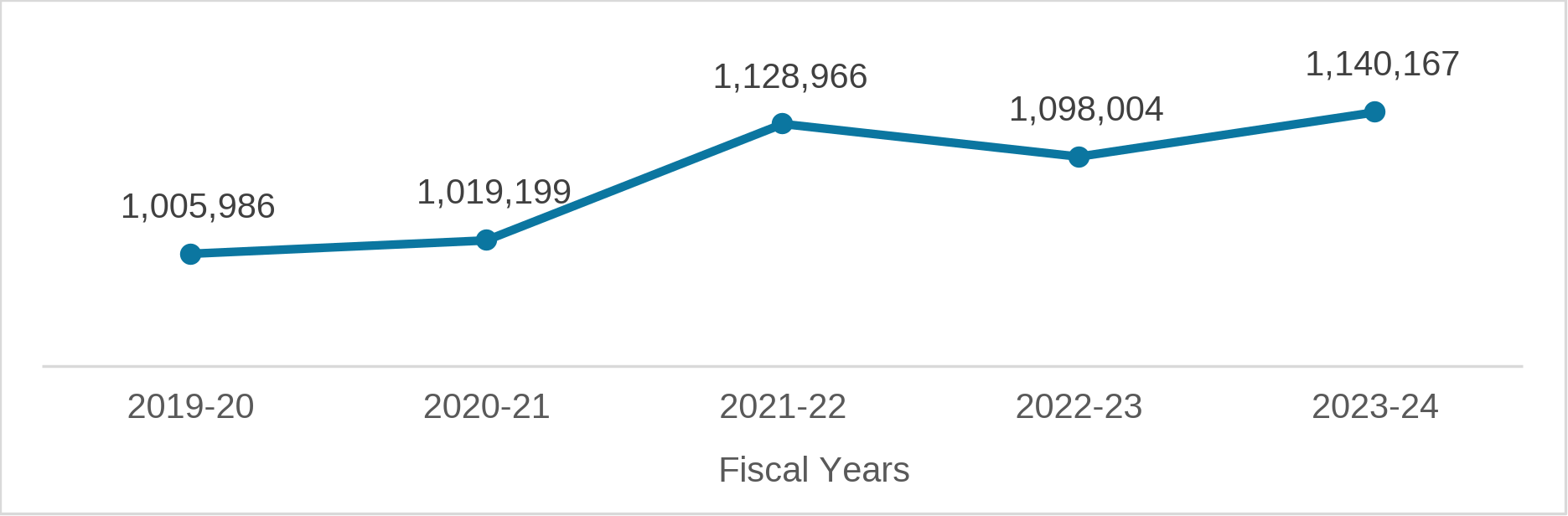
Figure 3: Recorded Hours for Advisory Services, FY 2019-20 to FY 2023-24 – Text version
Figure 3 : Recorded Hours for Advisory Services, FY 2019–20 to FY 2023–24
| FY | Recorded hours |
|---|---|
| 2019–20 | 1,005,986 |
| 2020–21 | 1,019,199 |
| 2021–22 | 1,128,966 |
| 2022–23 | 1,098,004 |
| 2023–24 | 1,140,167 |
In their responses to the survey conducted as part of this evaluation, legal counsel and other Justice professionals echoed these sentiments. As indicated in Figure 4, three quarters of the respondents indicated that the volume and the complexity of the demand for advisory services increased over the period covered by the evaluation.
Figure 4: Percentage of Survey Respondents who Agreed or Strongly Agreed with the Selected Statements on the Demand for Advisory Services

Figure 4: Percentage of Survey Respondents who Agreed or Strongly Agreed with the Selected Statements on the Demand for Advisory Services – Text version
Figure 4 : Percentage of Survey Respondents who Agreed or Strongly Agreed with the Selected Statements on the Demand for Advisory Services
| Selected Statements | Percentage of respondents who agreed or strongly agreed |
|---|---|
| The demand for advisory services has increased in complexity | 75% |
| The demand for advisory services has increased in volume | 76% |
When asked to further elaborate on the drivers behind the rise in volume and complexity of advisory files, survey respondents pointed to the heightened expectations of client departments and agencies for quick turnaround on an increasing number of files, particularly in supporting their responses to the pandemic. Significant turnover among client personnel also increased the need for advisory support. Survey respondents also noted several government initiatives, notably the implementation of the United Nations Declaration on the Rights of Indigenous Peoples (UNDRIP) Act, which raised a number of new legal issues.
4.1.2 Justice Canada Adapted to Changes in Demand, but Still Faces Challenges
Justice Canada responded well to the increased and more complex demand for advisory services, but its ability to address demand in times of crisis also created new expectations from client departments and agencies.
Justice Canada was able to adapt to the shifting environment experienced during the period covered by the evaluation, and to provide the advisory services required by its client departments and agencies. This adaptation was multifaceted and came with challenges.
From an operational perspective, this meant shifting to a remote work environment and finding ways to do this while upholding all the security requirements associated with the nature of advisory files. In addition, the urgency of the measures adopted to combat the pandemic required greater support from legal counsel, including after normal business hours and weekends, and a faster provision of the advice. Justice Canada delivered on all these fronts and, during interviews, client representatives expressed a high level of appreciation for the commitment of legal teams to go above and beyond to ensure that they were adequately supported. However, as emphasized by Justice Canada interviewees, this pace may have created expectations that would not be sustainable in the long run. During some of the most intensive periods linked to the pandemic, legal teams worked around the clock, which affected both the professional and personal lives of those involved.
The sustained pressure to deliver advisory services almost in real time forced legal counsel to produce less fulsome advice. This approach necessarily carries some risks that clients must work with. Interviews indicate that client departments and agencies understand this trade-off, but legal counsel emphasized that this practice should not become the norm, as it weakens the body of advisory work over time.
From an organizational perspective, this also meant expanding the advisory teams assigned to some of the client departments and agencies. This process, based on the cost-recovery model in place, required coordinated efforts on the part of Justice Canada and the client departments and agencies. This coordination is essential to adequately plan for the expected demand for advisory services and, as applicable, secure the additional financial resources required by the client departments and agencies to cover these legal costs. This also enables Justice Canada to hire legal counsel or other professionals who can provide these services, as needed. As indicated in Figure 1 and Table 1, the number of legal counsel and other professionals in all advisory groups grew by an overall 20% during the evaluation period.
4.2 Design and Delivery of Advisory Services
The design and delivery structure of advisory services rests on a vast institutional experience, and it has been incrementally adapted and adjusted as required. While there are department-level parameters that guide the delivery of all advisory services, the management of these services remains fairly decentralized within each LSU and other Justice Canada groups offering advisory services. Among other things, this flexibility has allowed each group to consider the specific environment in which it operates, particularly in response to the nature and scope of the mandate of their respective client departments and agencies. The following subsections explore the key components of this design and delivery structure.
4.2.1 Human Resources Require Ongoing Attention
Justice Canada has succeeded in maintaining strong advisory teams. A number of issues, particularly in relation to workload and work-life balance require careful attention. Maintaining strong capacity also requires the effective integration of paralegals.
Working Environment
The legal profession (including both the private and public sectors) has historically struggled to provide a working environment that is conducive to a healthy and sustainable work-life balance. As noted by one author, “articles and books have highlighted lawyers’ struggles with unhappiness and mental health and addiction issues,” which are increasingly recognized by employers.Footnote 5 These ongoing issues, in turn, affect the quality of the work done and diversity across the legal industry.Footnote 6
As a federal department, Justice Canada is committed to providing an environment that supports work-life balance, and it is actively recruiting members of Employment Equity designated groupsFootnote 7 to ensure diversity in the workplace.
The Public Service Employee Survey that the federal government conducts on a cyclical basis provides insights on the overall employment experience of federal employees. It assists in identifying strength and areas of concern, as applicable. The most recent survey results cover the year 2022. As they relate to Justice Canada, the results point to a number of positive trends around overall satisfaction with work, the respect and inclusiveness experienced in the workplace, and the strong support provided by management. For instance, when asked to rate the statement “overall, I like my job”, 83% of Justice Canada respondents said they strongly or somewhat agree with the statement.
As indicated in Figure 5, however, some of the documented challenges typically associated with the legal profession surface again in those results, particularly when Justice Canada employees (including, but not limited to legal professionals) are compared to all employees of the federal public service. With a third of Justice Canada employees indicating that they struggle to achieve work-life balance and feel emotionally drained after their workday, workload-related issues remain an area of concern.
Figure 5: Comparison of Justice Canada Employees and Public Service Employees on Employment-Related Characteristics
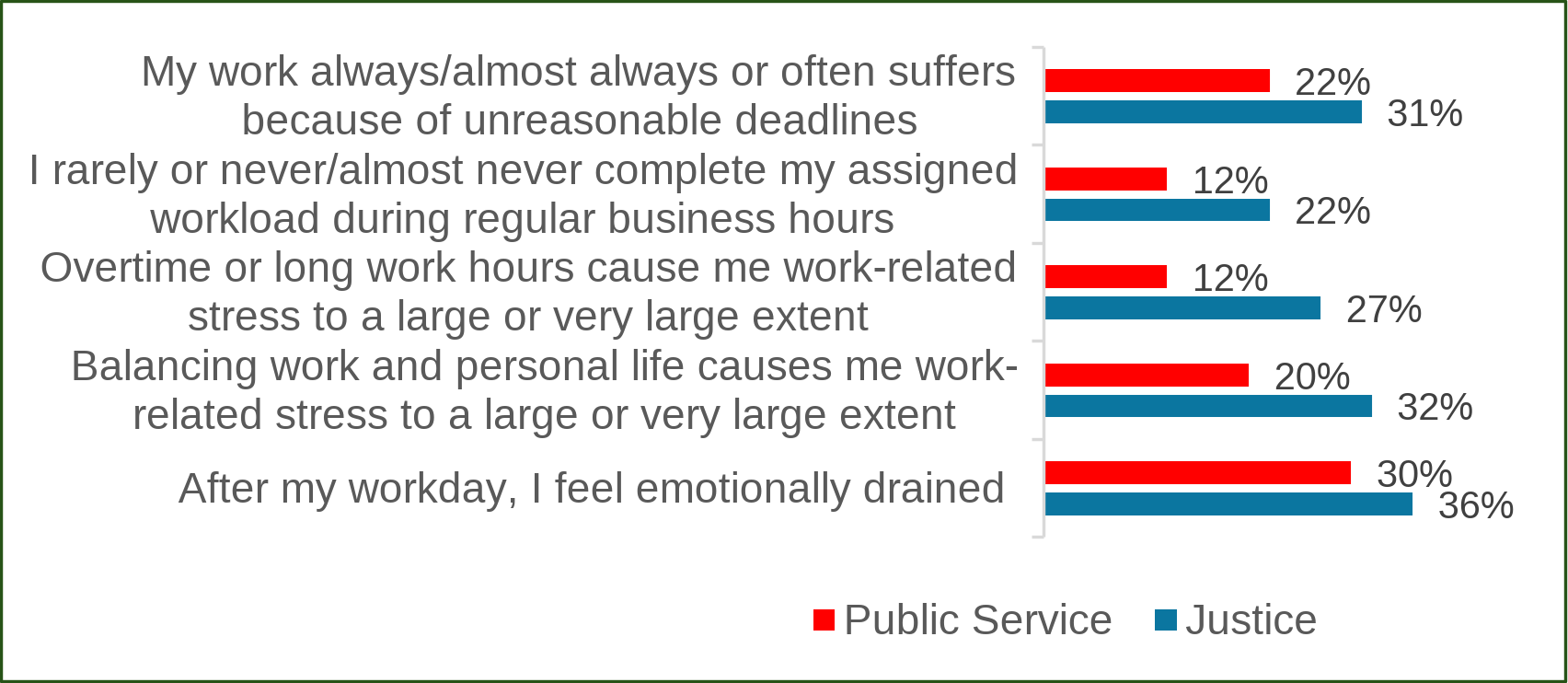
Figure 5: Comparison of Justice Canada Employees and Public Service Employees on Employment-Related Characteristics – Text version
Figure 5 : Comparison of Justice Canada Employees and Public Service Employees on Employment-Related Characteristics
| Statement from the Public Service Employee Survey | Percentage of Justice employees who agree with the statement | Percentage of Public Service employees who agree with the statement |
|---|---|---|
| My work always/almost always or often suffers because of unreasonable deadlines | 31% | 22% |
| I rarely or never/almost never complete my assigned workload during regular business hours | 22% | 12% |
| Overtime or long work hours cause me work-related stress to a large or very large extent | 27% | 12% |
| Balancing work and personal life causes me work-related stress to a large or very large extent | 32% | 20% |
| After my workday, I feel emotionally drained | 36% | 30% |
These trends are even more pronounced among legal counsel in LP positions, particularly those in more senior positions. For instance, close to half of the respondents in senior legal counsel positions (LP-03 to LP-05) indicated that they were emotionally drained after their workday, and that they were challenged when it came to balancing work and personal life. More than 40% of respondents in that group were regularly unable to complete their workload during regular working hours.
The survey conducted as part of this evaluation adds complementary perspectives on the overall work environment experienced by Justice Canada professionals who specifically provide advisory services. As indicated in Figure 6, just over half of survey respondents indicated that they were satisfied or very satisfied with some of the key components of their work, such as the tools and technologies they have access to, professional development opportunities, the work culture and the work-life balance. The level of satisfaction with career opportunities was lower.
Figure 6: Percentage of Survey Respondents who Are Satisfied or Very Satisfied with the Selected Aspects of their Employment
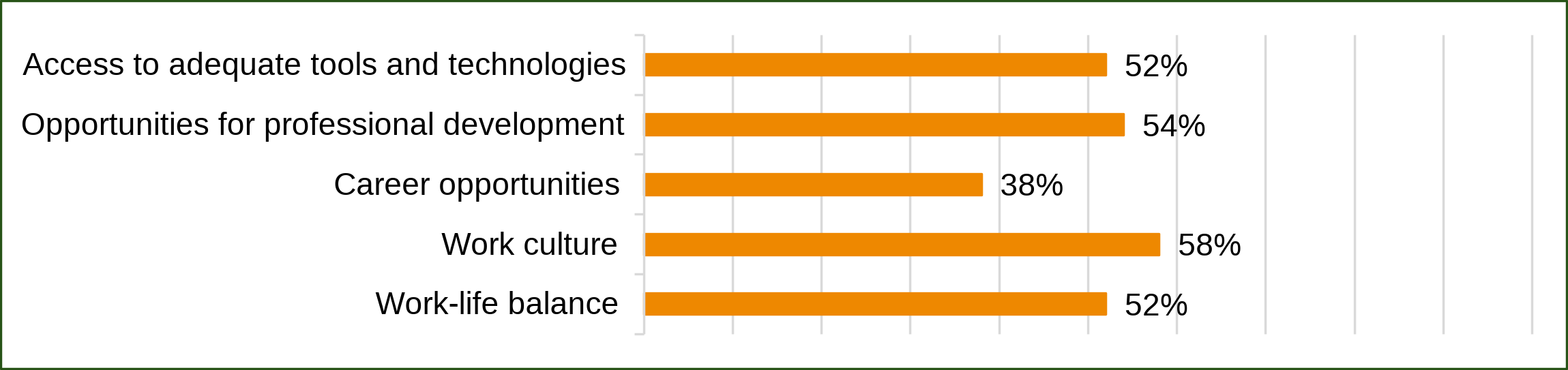
Figure 6: Percentage of Survey Respondents who Are Satisfied or Very Satisfied with the Selected Aspects of their Employment – Text version
Figure 6 : Percentage of Survey Respondents who Are Satisfied or Very Satisfied with the Selected Aspects of their Employment
| Selected aspects of employment | Percentage of respondents who are satisfied or very satisfied |
|---|---|
| Access to adequate tools and technologies | 52% |
| Opportunities for professional development | 54% |
| Career opportunities | 38% |
| Work culture | 58% |
| Work-life balance | 52% |
Looking at the various groups of survey respondents (EC, LP, LC), 46% of respondents in the LC category (in legal management positions) indicated that they were unsatisfied or very unsatisfied with their work-life balance. Consequently, Justice Canada’s commitment to fostering an environment that is conducive to work-life balance has yet to be fully realized, certainly in relation to those providing advisory services.
Sustained efforts are made internally within Justice Canada to provide adequate support to members of advisory teams. Figure 8 illustrates that LC respondents are the most satisfied with the internal support they are provided with.
Figure 7: Percentage of Survey Respondents who Are Satisfied or Very Satisfied with the Support that their Unit or Group Provides when Involved in Advisory Services

Figure 7: Percentage of Survey Respondents who Are Satisfied or Very Satisfied with the Support that their Unit or Group Provides when Involved in Advisory Services – Text version
Figure 7 : Percentage of Survey Respondents who Are Satisfied or Very Satisfied with the Support that their Unit or Group Provides when Involved in Advisory Services
| Employment category | Percentage of respondents who are satisfied or very satisfied with the Support that their Unit or Group Provides when Involved in Advisory Services |
|---|---|
| EC | 50% |
| LP | 65% |
| LC | 85% |
During interviews, client representatives acknowledged the pressures that are placed on advisory teams and expressed concerns about the sustainability of the current pace of work. Some interviewees recognized that their expectations were not always reasonable, but they reflected the position they were facing in delivering on their respective mandates.
Maintaining strong capacity
Overall, Justice Canada has been in a position to maintain strong advisory teams. During interviews, client representatives expressed a high level of confidence as to the expertise, capacity and ability of Justice Canada to provide the legal teams that are needed.
This outcome, however, requires sustained efforts on the part of managers within each group providing advisory services. As noted by Justice Canada representatives, recruiting legal counsel, paralegals or other justice professionals is an ongoing challenge due to factors such as the pointed expertise sought, the security clearance associated with the positions, the location of the work, or the rising competition from provincial and municipal governments, as well as from the private sector.
An important consideration in maintaining strong advisory teams is the integration of paralegals. In a study published in 2016, Shephard noted that “in no sector is the role of the professional and the paraprofessional being more openly debated than in the legal services sector”.Footnote 8 Shephard added that integrating paralegals is an essential component of managing change in the legal profession. To achieve this, however, Shephard argued that certain conditions had to be met, including an organizational culture that welcomes paralegals and the appropriate support structure that can “identify and manage the risks associated with their increased involvement”.Footnote 9
Over the past ten years, Justice Canada has taken steps to expand the engagement of paralegals. Among other things, it established the Paralegal Services Centre in 2015, and initiated work on a National Paralegal Strategy in 2016, which was formally approved in 2020. This strategy aims to enhance access to paralegals across all Justice business lines, including advisory services. As illustrated in Figure 8, the number of EC positions (which are mostly paralegals) assigned to advisory work has increased during the evaluation period.
Figure 8: EC FTEs Coded to Advisory Services, FY 2019–20 to FY 2023–24
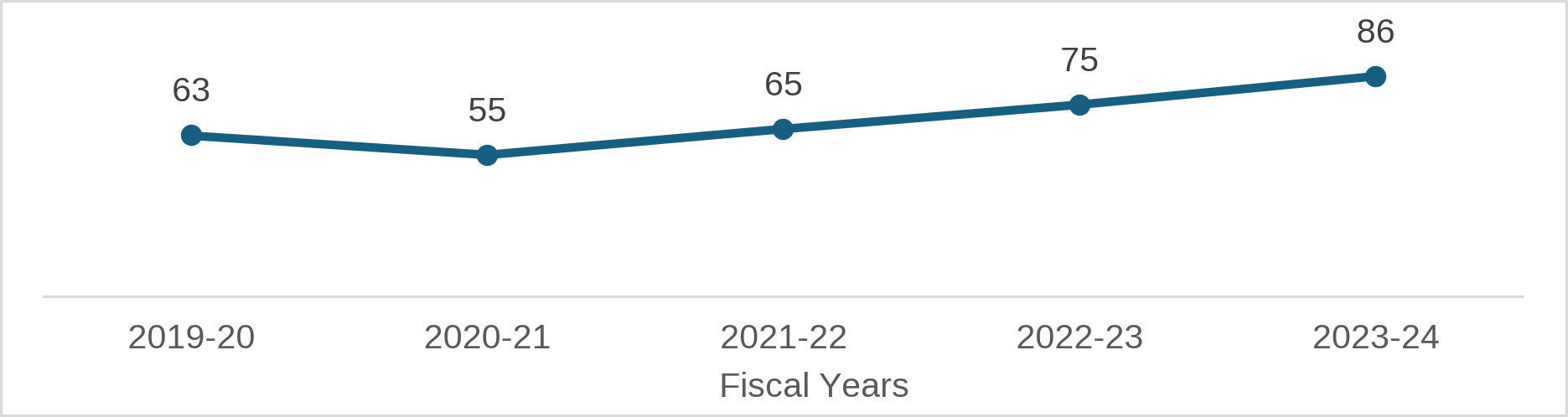
Figure 8: EC FTEs Coded to Advisory Services, FY 2019-20 to FY 2023-24 – Text version
Figure 8 : EC FTEs Coded to Advisory Services, FY 2019–20 to FY 2023–24
| FY | Number of EC FTEs |
|---|---|
| 2019–20 | 63 |
| 2020–21 | 55 |
| 2021–22 | 65 |
| 2022–23 | 75 |
| 2023–24 | 86 |
During interviews, both Justice Canada and client representatives emphasized the key role that paralegals play, and the need to further integrate them. In addition to providing direct assistance to advisory work (through initial research, for instance), paralegals can support the knowledge management process by maintaining and populating JustipediaFootnote 10 or other knowledge repositories.
Some client departments and agencies are also increasing their use of paralegal resources to help with legal matters, typically litigation files, but also advisory or legislative files. These paralegals are not Justice Canada employees, but rather employees of each department or agency. They regularly interact and collaborate with paralegals from Justice Canada.
4.2.2 The Integration of New Technologies is a Key Component for the Sustainability of Advisory Work
The integration of new technologies, particularly those based on artificial intelligence is a key component of a sustainable strategy for Justice Canada to effectively meet the increasing demand for advisory work.
A prevalent topic addressed in the literature on the management of legal services is the effective integration of new technologies, particularly those related to artificial intelligence (AI). In 2016, during a roundtable organized by the Organisation for Economic Co-operation and Development (OECD), McGinnis argued that machine intelligence is bound to be “the most important question facing the legal profession.”Footnote 11 More recently, Linna Jr. noted that those in the legal profession who embrace technology will be in a position to focus on value-added work, being released from the repetitive work that technology can effectively undertake:
“The best lawyers and legal-services organizations will figure out how to make the most of automation to provide humans the opportunity to focus on tasks where they can add the greatest value. This transition will require lawyers to find new ways to add value, going well beyond just doing the same things better, faster, and cheaper.”Footnote 12
While the value of new technologies is well established, so is the resistance to it in the legal profession: “Unfortunately, resistance to changing a lawyer’s behaviour is also apparent, such as the acceptance and adoption of AI capabilities in legal service provision, specifically, in the realms of legal advisory, legal operations, legal technology, and consulting” (Reid et al., 2023).Footnote 13
With the steady upward trend in the volume and the complexity of advisory files, the ability of Justice Canada to meet the demand and the expectations of client departments and agencies will be contingent, in part, on its capacity to effectively integrate new technologies. As noted during interviews, Justice Canada cannot solely rely on adding more legal counsel and other professionals, and it must take full advantage of the opportunities provided by new technologies.
Over the evaluation period, Justice Canada initiated a process to facilitate the integration of AI technologies. In particular, it began the implementation of a unified platform (called Otto, currently in its pilot phase) that enables the streamlined deployment of data-driven AI tools and analytics solutions across the department. In the context of advisory services, this tool is expected to enhance the efficiency of document searches and analyses, and to streamline the drafting process.
4.2.3 Knowledge Management Remains Difficult
The current knowledge management tools used by Justice Canada, notably Justipedia, are not systematically meeting the needs of those providing advisory work. As a result, some groups have initiated their own knowledge management strategy.
Limited Range of Tools
The two department-wide knowledge management tools currently available at Justice Canada are LEX and Justipedia. LEX is a mandatory tool that serves as a case management system (covering every file worked on). On the other hand, Justipedia is an optional tool that was expected to provide a single repository for legal opinions and other legal documents produced by Justice Canada employees that can be organized and searched to facilitate knowledge transfer and avoid the duplication of work. These tools are used to some extent and appreciated by some legal counsel and other professionals working on advisory services. However, in the case of Justipedia, it has not been widely adopted, and it is not generally perceived as adequately meeting the needs of those involved in advisory services.
The key challenge with Justipedia appears to come from the varying level of use among all advisory groups. Essentially, each unit or group decides the extent to which it uploads its work products into Justipedia, and like any other repository, the quality of the outputs is almost entirely determined by the quality of the inputs. In the absence of consistent and sustained efforts to maintain the quality of the input into Justipedia, it is unlikely that this tool will achieve department-wide results, but it may continue to serve the needs of some units or groups.
Isolated Initiatives
In this context, some advisory groups initiated their own knowledge management strategy. They created digital workspaces that they organize to reflect the nature of their specific work. These are used to centralize key documents that may be of assistance to new team members, to share some of the advisory products and, in some cases, some components of these digital spaces are shared with clients to allow them to access advisory information.
During interviews, client representatives expressed a desire to directly access some legal advisory products, without having to turn to LSU to ask for them. They indicated that having direct access to some of the simpler or more foundational advice would facilitate the sharing of this information within their department or agency.
4.2.4 Planning Remains a Challenging Task
Systematically planning advisory services includes a certain degree of uncertainty, as the range of issues that the government will face cannot be fully predicted. Practices that facilitate this process include the integration of the heads of advisory groups in the management structures of client departments and agencies, and the early engagement of Justice Canada by clients, particularly for more complex files. There is also a need to collect data that can better support management decision-making and planning processes.
Justice Canada and its client departments and agencies have several processes in place to support the planning of legal services. This planning serves to assess and forecast the demand for legal services, including advisory services, in order to ensure that Justice Canada has the capacity to meet the demand, and that client departments and agencies can manage the financial resources required to cover the costs associated with these services. The planning process also serves to confirm how both parties will interact and manage the ongoing demand for advisory services.
Planning with Limited Insights
In planning for advisory services, Justice Canada and client departments and agencies deal with a certain degree of uncertainty. This comes from the fact that the federal government is constantly initiating programs and activities to respond to emerging needs, or to better address existing ones. Just as the operations of the federal government are constantly in flux, so is the demand for advisory services. In addition, events such as the pandemic, or international tensions, cannot be systematically forecasted, let alone the appropriate responses to these events.
While client departments and agencies main contact is typically the LSU assigned to them, they may also require the assistance of Centres of Expertise, the Specialized Legislative Services Section, or NLS’ regional officesFootnote 14. This can cause challenges around the planning of services. During interviews, client representatives noted that it was challenging at times to understand the division of roles and responsibilities within Justice Canada, and under which conditions or circumstances the various advisory groups were solicited. Some client representatives expressed the desire to access training or information that would allow them to better understand these various dimensions.
Figure 9: My group has the capacity to plan the expected demand for advisory services.
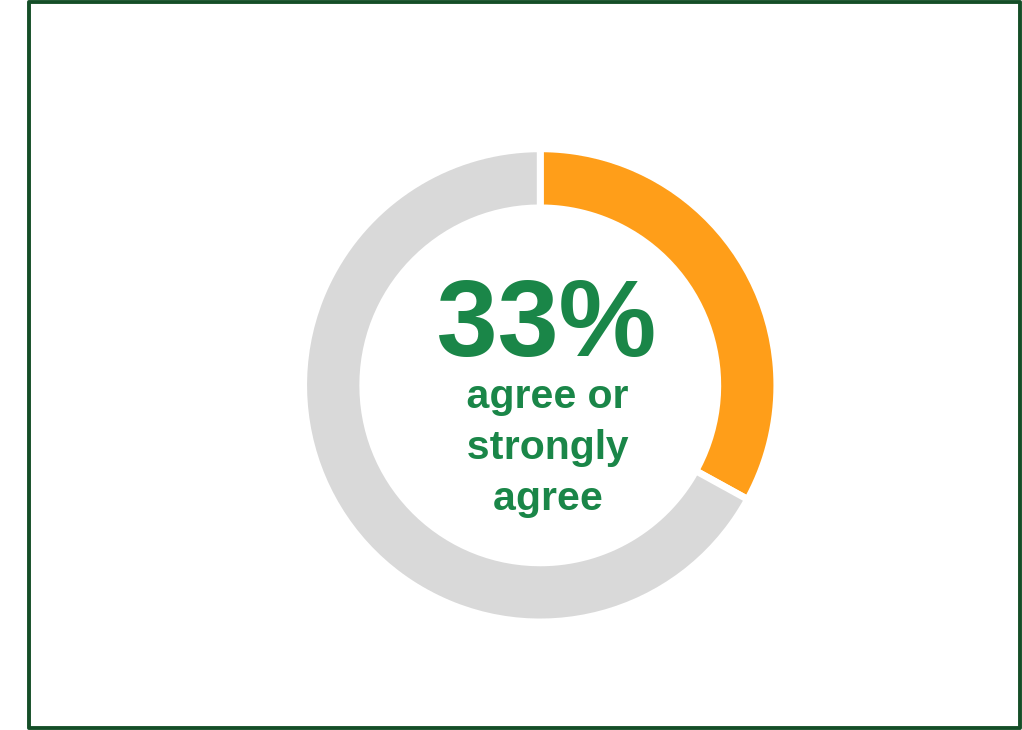
Figure 9: My group has the capacity to plan the expected demand for advisory services. – Text version
Figure 9 : My group has the capacity to plan the expected demand for advisory services.
| Response | Response rate |
|---|---|
| Agree or strongly agree | 33% |
| Disagree or strongly disagree | 67% |
These challenges were also reflected in the survey of justice professionals. As indicated in Figure 10, only a third of the respondents expressed strong confidence that their respective group had the capacity to plan for the expected demand for advisory services.
While a level of uncertainty will always remain the current data on the actual use of advisory services is falling short of providing the type of information that could meaningfully support the planning process. In particular, client representatives noted that the data they currently receive is too generic to provide actionable insights and, as such, it can be difficult to trace back how advisory services were used, and why certain trends emerged, in order to leverage such information to plan for future services. For instance, it is difficult for a client to understand how Justice Canada resources were deployed in relation to a specific file. The data that clients receive is aggregated at a level that does not support file-level analysis.
Processes in Place
The foundational component of the current planning process for advisory services is the Memorandum of Understanding (MOU) that each client department or agency signs on a cyclical basis with Justice Canada. This document covers all legal services, namely advisory, litigation and legislative services, and establishes the respective roles and responsibilities of each party, along with the expected deliverables and results, the service standards that should be met, and other operational considerations (i.e., fee structure, invoicing, payments, etc.). A joint planning process is established, and Justice provides a yearly forecast of legal costs. Throughout the implementation of the MOU, parties may review and adjust the forecasting and associated costs to reflect new considerations. Each department or agency determines the process it wishes to use to negotiate the MOU, including the extent to which senior officials from the department or agency are involved.
At a more operational level, the short to medium-term planning of advisory services largely results from the ongoing discussions between each LSU and their assigned client department or agency or between the NLS Regional Offices and their clients. This dialogue allows both parties to establish a shared understanding of the trends in the demand for advisory services and the extent to which the initial planning must be revisited.
Factors Conducive to Effective Planning
During interviews, representatives from client departments and agencies emphasized the pivotal role that heads of LSUs play in supporting the ongoing planning of advisory services. Having the LSU heads directly engaged in the senior management structures of client departments and agencies is seen as a best practice that ensures ongoing communications on priorities and pressure points. While maintaining their independence as Justice Canada employees, the heads of LSUs are considered full members of the executive teams of the clients they serve. This facilitates the dialogue and the sharing of critical information on upcoming activities, priorities and initiatives, and it also allows Justice Canada to discuss the need to prioritize files as required. The extent to which this integration of the LSU heads into senior management structures is done varies among client departments and agencies.
Similarly, waiting for legal issues to emerge in relation to a file before engaging Justice legal counsel can make it far more difficult to address these issues, as opposed to having early consultations with legal counsel to support a full understanding of the legal considerations of a proposed approach, strategy or initiative. This early engagement of Justice Canada allows legal counsel to assess the complexity of an emerging file, determine the extent to which support will be required from other Justice Canada groups (e.g., Centres of Expertise), and ensure that required resources are available to provide timely support.
4.2.5 Assignment and Coordination of Files Are Working Well
The assignment and coordination of files are processes that are decentralized, allowing each advisory group to determine the most efficient approach. Overall, these tasks are working well, and there are supporting best practices.
Assigning Advisory Files
The management of advisory services is decentralized and this is reflected in the process used for assigning files. Each advisory group has established its own process for determining who works on which files (e.g. based on workload, expertise, learning opportunities, equity considerations). Overall, evaluation findings indicate that this approach is working well, and the following practices are seen as helpful:
- Ensuring that, to the extent possible, there is only one entry point for requesting advisory support. Instead of having clients directly contact a legal professional within LSUs or NLS Regional Offices with whom they may have already worked with, all requests are reviewed by management, who assigns the appropriate level of expertise to the file.
- Using more complex files to provide mentoring opportunities, by ensuring that the more junior counsel have occasions to work with more senior counsel.
- Establishing processes to facilitate exchanges among legal counsel and other professionals within a same unit to discuss and share experiences related to files that are complex and/or address emerging legal question.
- Establishing a procedure for requests made to Centres of Expertise or other Justice Canada groups as required, to maximize the contribution of these other groups and avoid duplication of efforts.
Over half (57%) of the respondents to a survey conducted as part of this evaluation agreed or strongly agreed that, based on their nature and complexity, advisory files are allocated to the appropriate team members. Interestingly, 15% of those in legal counsel positions (LP) disagreed or strongly disagreed with that statement, while 3% of those in legal management positions (LC) had the same opinion. While the latter group arguably has a broader perspective on this issue, there may be a need to ensure that the allocation process is clearly communicated to all team members.
Client departments and agencies have limited knowledge of the process used to assign files, but during their interviews, they expressed confidence that this process was done efficiently. Some noted that they would feel comfortable reaching out to the head of the advisory group if they had concerns around the assignment of files, but this had not proven necessary.
The Coordination of Advisory Work
The coordination of advisory work across the multitude of units and groups within the department is a colossal undertaking, but a critical one if Justice Canada is to “speak with one voice”. As noted during interviews, this is particularly important and relevant considering the increasing number of interdepartmental or government-wide initiatives that are being launched, which require multiple departments and agencies to collaborate and coordinate their actions. During the evaluation period and as noted in subsection 4.1 on the relevance of advisory services, these broader initiatives covered a wide range of issues, such as climate change, reconciliation, or gender equity.
Within each advisory service group, several processes have been established to ensure that there is consistency in the advice provided and the way it is provided. To this end, certain protocols (checklists, templates, etc.) and processes (regular team meetings, peer review of draft advice from new members, etc.) are used to varying degrees. There are also processes in place for the engagement of other groups, such as the Centres of Expertise.
One area that is raising more challenges is the coordination of the advisory work on larger files involving several departments or agencies. Because of the decentralized nature of the management of advisory services, there is no process or framework that currently ensures coordination when multiple departments and agencies are collaborating on a file. It is up to the units involved to determine how to collaborate. In addition, in some cases, the division of responsibilities for advisory services between LSUs and NLS regional offices lacks clarity. As further discussed in section 4.3 of this report, these potential gaps in coordination are creating challenges in ensuring the consistency of advice on larger, interdepartmental files.
4.2.6 Performance Data Are Falling Short
The current performance data collected in relation to advisory services does not meet the full range of information needs of Justice Canada or the client departments and agencies. This is an ongoing challenge that affects the legal profession as a whole, and it has a direct impact on the ability to plan and monitor the delivery of advisory services.
Current Approach
At the time of the evaluation, the department-wide performance data for advisory services was the information provided by LEX, and the results from the cyclical client feedback survey undertaken by Justice Canada that covers all legal services (advisory, litigation, and legislative).
This data does not meet all of the information needs of Justice Canada, nor those of the client departments and agencies. During interviews, representatives from both groups expressed frustrations with the lack of helpful data to support the planning and monitoring of advisory services. For instance, client representatives noted that the information as currently provided is not actionable, and it does not allow for any assessment or monitoring of how the work on advisory files unfolded. The way the data is structured and presented, and the lack of consistency over time are some of the limitations of this data.
The cyclical client feedback survey does provide some insights (some of which are used in subsection 4.3 of this report), but it is limited in scope. It gathers opinions on specific interactions with Justice Canada on specific files and does not provide a broader perspective as to the extent to which Justice Canada is adequately supporting the department or agency as a whole in pursuing its mandate and priorities.
The Challenge of Gathering Meaningful Data
The literature on the management of legal services indicates that it remains difficult for the legal profession to gather meaningful performance data. There is an expectation that quantitative data can and should be collected to monitor and track the performance of legal services. However, the nature of legal services requires a nuanced approach. Simply tracking the number of files that are worked on, or the number of hours worked on a file provides some insights, but it does not account for several factors, such as the complexity of a file, the number of stakeholders involved, the division of work among several groups, or the evolution of the file over time. In his study of the management of legal services, Linna Jr. notes:
“Where we have data, we lack standards for the quality and value of the underlying tasks and outcomes. Where we have standards, they are almost exclusively normative (based upon the judgement and opinions of lawyers), not empirical (evidence-based; determined by observable impact on outcomes).”Footnote 15
Ultimately, the goal is to gather a combination of quantitative and qualitative data that can provide evidence of the effectiveness and efficiency of the legal services provided. As noted by Linna Jr., the analysis of this data should be based on established and evidence-based standards to allow for consistent ratings, something that remains difficult. In fact, there is no consensus in the literature on what these evidence-based standards should be. Justice Canada, in collaboration with client departments and agencies, could identify standards that would be applicable to the unique environment in which they operate.
There are currently no set standards against which it is possible to assess the current performance data collected, and the performance of advisory services remains largely based on the opinions of client departments and agencies. While that latter perspective is essential, it does not allow for a systematic assessment of the efficiency of the structures, processes, and other management procedures used in each group providing advisory services.
4.3 Effectiveness of Advisory Services
4.3.1 There Is a High Level of Satisfaction with the Services Provided
During the period covered by the evaluation, Justice Canada continued to deliver high-quality advisory services that meet the needs of its client departments and agencies. Some challenges around the timeliness and consistency of some of the advice provided were identified, but these are not widespread issues. The new legal risk framework is among the best practices that support the quality of service.
Overall Perspective of Client Departments and Agencies
Justice Canada has a long history of providing high quality advisory services, and evaluation findings confirm that this trend has continued during the period covered by the evaluation.
Justice Canada uses a scale of 1 to 10 to assess various dimensions of quality, using 8.0 as the target level, and considering anything beyond 8.4 as surpassing the target with its cyclical client feedback survey. As illustrated in Figure 10, going back to 2006 and covering the period up to 2022, survey results indicate that Justice Canada has met, and has now exceeded the target level, with an overall level of satisfaction with advisory services standing at 8.6.
Figure 10: Satisfaction with the Overall Quality of Advisory Services (2006 to 2022)
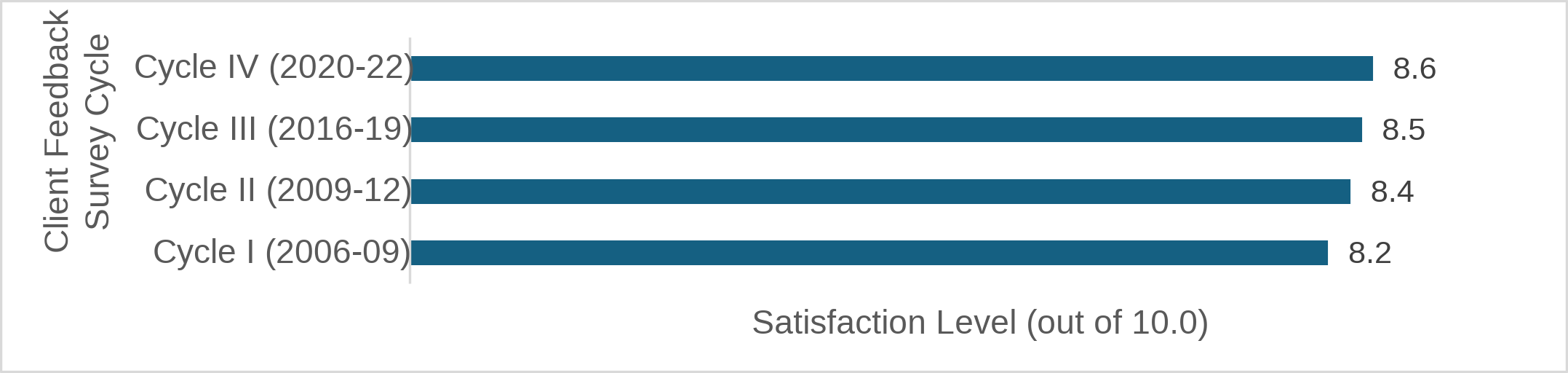
Figure 10: Satisfaction with the Overall Quality of Advisory Services (2006 to 2022) – Text version
Figure 10 : Satisfaction with the Overall Quality of Advisory Services (2006 to 2022)
| Client Feedback Cycle | Satisfaction level (out of 10) |
|---|---|
| Cycle I (2006-09) | 8.2 |
| Cycle II (2009-12) | 8.4 |
| Cycle III (2016-19) | 8.5 |
| Cycle IV (2020-22) | 8.6 |
To provide a more detailed picture of client satisfaction, the client feedback survey considers 14 dimensions of quality that cover accessibility/responsiveness, legal risk management, timeliness, and usefulness. On all 14 of these dimensions as applied to advisory services, the latest survey results indicate that Justice Canada has met or exceeded the 8.0 target. Figure 11 includes a selection of these dimensions that are particularly relevant for this evaluation. While Justice Canada met its target on all selected dimensions, the lowest results were related to keeping clients informed and the timeliness of services.
Figure 11: Satisfaction with Selected Dimensions of the Quality of Advisory Services (2020-2022)
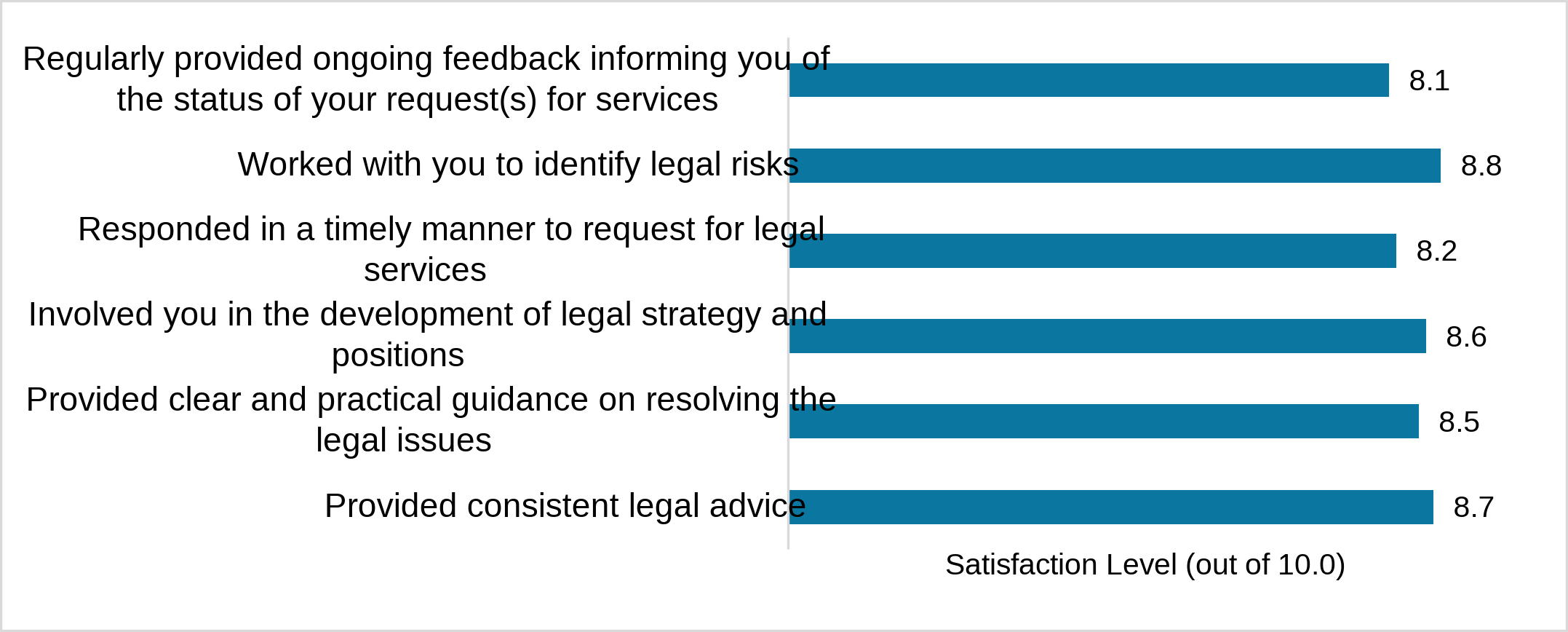
Figure 11: Satisfaction with Selected Dimensions of the Quality of Advisory Services (2020-2022) – Text version
Figure 11 : Satisfaction with Selected Dimensions of the Quality of Advisory Services (2020-2022)
| Selected dimensions of the quality of advisory services | Satisfaction level (out of 10) |
|---|---|
| Regularly provided ongoing feedback informing you of the status of your request(s) for services | 8.1 |
| Worked with you to identify legal risks | 8.8 |
| Responded in a timely manner to request for legal services | 8.2 |
| Involved you in the development of legal strategy and positions | 8.6 |
| Provided clear and practical guidance on resolving the legal issues | 8.5 |
| Provided consistent legal advice | 8.7 |
In open-ended answers one respondent noted that they “have always found legal advisory services to be extremely valuable and of high quality,” while another noted that Justice Canada had an “excellent client service mentality, very dedicated to providing helpful and enabling legal services while providing frank and neutral advice on legal risks.” The concerns expressed in these open-ended responses related to the workload of legal counsel and their ability to meet all the needs of the clients.Footnote 16
During interviews conducted as part of this evaluation, client representatives echoed these sentiments. They emphasized the commitment of legal counsel and other professionals, their high level of expertise, and their capacity to appreciate their clients’ mandate, priorities, and challenges. As one client representative put it: “We could not function without that team, and we certainly couldn’t function at the high level that we are without them. There’s always room for improvement but my overall sentiment is how incredibly exceptional the advisory services are that we receive.”
Overall Perspective of Justice Canada Professionals
Justice Canada professionals are generally confident to their ability to deliver high quality services. As illustrated in Figure 12, survey respondents expressed a high level of confidence on key dimensions of quality, with lower results on their ability to provide timely advice. On that latter point, respondents from the legal management group (LC) expressed greater confidence (64%) in their ability to deliver timely services.
Figure 12: Percentage of Survey Respondents who Indicated that they Were Confident or Very Confident in their Ability to Meet Selected Dimensions of Quality
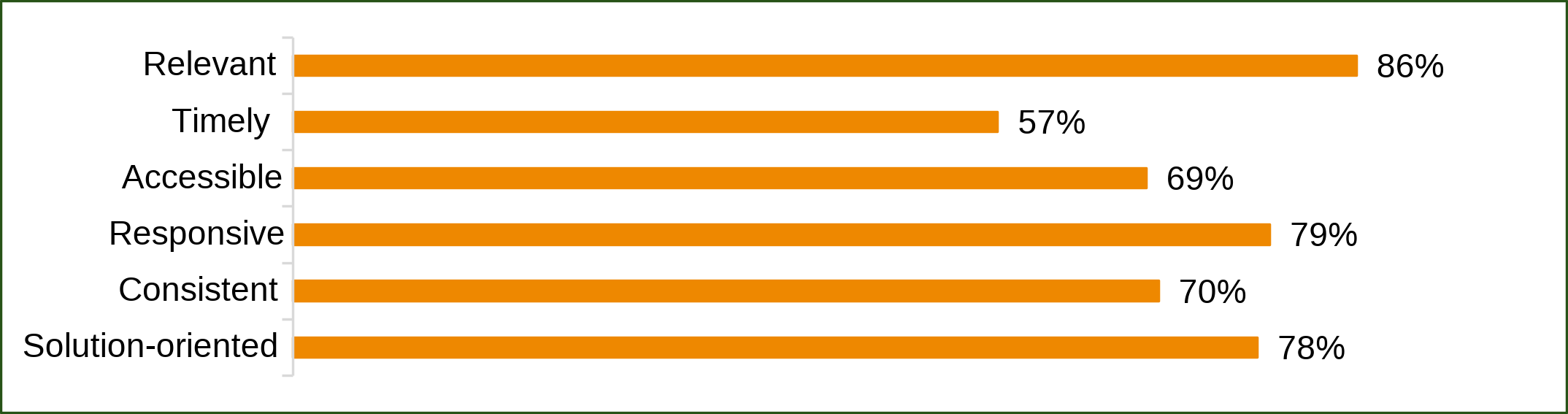
Figure 12: Percentage of Survey Respondents who Indicated that they Were Confident or Very Confident in their Ability to Meet Selected Dimensions of Quality – Text version
Figure 12 : Percentage of Survey Respondents who Indicated that they Were Confident or Very Confident in their Ability to Meet Selected Dimensions of Quality
| Selected dimension of quality | Percentage of respondents confident or very confident in their ability to meet selected dimensions of quality |
|---|---|
| Relevant | 86% |
| Timely | 57% |
| Accessible | 69% |
| Responsive | 79% |
| Consistent | 70% |
| Solution-oriented | 78% |
Potential Areas of Improvement
Timeliness of advice
The ability of advisory teams to deliver timely advice is, at times, challenging. Some of the concerns relating to the current workload of advisory teams that were expressed in the Justice Canada client feedback survey also emerged during interviews with client representatives. This, in turn, has contributed to some of these issues with the timeliness of advice. Survey results indicate that timeliness is not a widespread concern, and because each client department or agency operates in its own environment, the experience does vary. However, some of the client representatives consulted as part of this evaluation were unsatisfied with the timeliness of at least some of the advice they were provided with.
Coordination of the work
Another key concern that emerged during client interviews related to the consistency of advice. As noted in subsection 4.2.4, Justice Canada does not have a systematic process in place for coordinating the work involving multiple departments and agencies. Client representatives described some cases where various advisory groups were seemingly providing divergent opinions to client departments or agencies involved in an interdepartmental initiative. However, as noted in interviews with legal counsel, client departments and agencies may not be having a shared understanding of the legal risks involved in a file and may not articulate their needs for legal advice in a consistent manner, leading to what may appear to be divergent opinions.
In the end, and consistent with the decentralized nature of the management of advisory services, each case is unique. The extent of the coordination on a file is determined by the approach that the various legal teams and their clients decide to pursue. As such, nothing prevents the coordination from occurring, but no systematic process ensures that it will.
Key Factors Supporting High Quality Service
Key factors that generally support the delivery of high-quality advisory services include:
- Supporting clients in asking the right legal questions: It cannot be assumed that client departments and agencies have the capacity to articulate their legal needs. Findings from the survey of Justice Canada professionals conducted as part of this evaluation indicate that 31% of respondents disagreed with the statement that clients “are generally in a position to come up with a clear articulation of their legal needs.” During interviews, both Justice Canada representatives and their clients emphasized that asking the right legal questions is a skill to be acquired, particularly for those with no legal background. With the turnover in staff, there is a need for Justice Canada to pursue its training activities to build, enhance or maintain the capacity of client departments and agencies to articulate their needs.
- Finding balance in the provision of legal advice and legal policy advice: The line between legal and legal policy advice can be blurred at times, and some client representatives noted that some of the advice they receive appears to be covering both, making it difficult to differentiate the two. This is not a widespread issue and as such, the best practice consists of ensuring that the advice is limited to legal considerations, that leave clients with the decisions on the best course of action to pursue. In order to ensure the delivery of high-quality advisory services and strategic partnerships, finding the right balance between the provision of legal advice and legal policy advice is key.
- The new Legal Risk Framework: In June 2024, Justice Canada implemented a new Legal Risk Framework that includes, among other things, a new legal risk spectrum that is used to assess the level of risk applicable. At the time of this evaluation, the new framework was still being implemented, but positive views were expressed. Legal counsel and client representatives who commented on the new framework indicated that it is improving the communication of risks, and it is supporting the consistency of legal advice. Ensuring that this department-wide tool is effectively implemented and used appears is important.
- Taking full advantage of emerging technologies: As noted in subsection 4.1.3, the continued integration of new technologies, particularly data-driven AI tools, and analytics solutions, is an ongoing process that contributes to the quality of the advisory work. Legal professionals who responded to the survey conducted as part of this evaluation expressed the desire to enhance the use of these new technologies to better manage existing knowledge, and to support stronger collaborations.
4.3.2 Justice Canada Is Acting as a Strategic Partner
Justice Canada has succeeded in being a strategic partner that enables its client departments and agencies to successfully pursue their mandate and priorities. As such, the notion of quality of service extends beyond individual files to cover the ongoing support that Justice Canada can provide.
A goal of this evaluation was to extend the assessment of quality beyond the transactional dimension of delivering a service in response to a request. It is important to ensure the quality of each advice provided. Beyond that, Justice Canada is also committed to being an ongoing strategic partner to its client departments and agencies, offering consistent support that ultimately enables them to successfully deliver on their respective mandates and priorities.
As noted in the preceding subsection, Justice Canada’s cyclical client feedback survey confirms the overall quality of advisory services provided in response to specific requests. The survey questionnaire is distributed to individuals who requested legal services during the selected period and their insights cover the more transactional dimension of service delivery.
In the context of this evaluation, interviews with senior managers of client departments and agencies were used to broaden the perspective and see if, overall, Justice Canada was playing this strategic role of being an enabling partner. Evaluation findings indicate that this objective is largely achieved. As one senior manager noted, the key to this partnership is the sustained collaboration over time that allows for the partnership to be effective:
“We really do have a great strategic partnership. It’s ongoing and iterative because the issues are ongoing and iterative. If we are going to do this right, if we are going to do this properly, we need to do this in partnership with our legal services. We can’t do this alone and then bring them in, it just doesn’t work.”
Based on opinions provided by both Justice Canada representatives in leadership positions and senior managers from client departments and agencies, the predominant factor driving a strategic partnership is the systemic engagement of Justice Canada throughout the decision-making process. By engaging early and engaging throughout, open and frank conversations can occur, and Justice Canada can provide independent advice that is grounded in an in-depth understanding of the parameters and overarching goals within which the client must operate.
As also noted during interviews, realizing this vision of partnership does require resources on both sides. The leadership of Justice Canada advisory groups must be systematically engaged in dialogues with the client’s senior managers, and the advisory teams must be capable of engaging through the lifespan of those strategic files. Consequently, when asked about factors that may impede strategic partnerships, interviewees from Justice Canada and client departments and agencies pointed to a lack of resources, or timeframes that are too short to allow for the proper considerations of legal issues.
4.4 Efficiency of Advisory Services
4.4.1 The Ongoing Challenge of Measuring the Efficiency of Legal Services
While the measurement of efficiency in the legal profession continues to be challenging, client departments and agencies consider that they do get good value for money, and some best practices can be followed to support an efficient use of legal resources.
Measuring the efficiency of the provision of legal services remains difficult, and those who have studied this topic concede that the profession continues to struggle with this issue. As noted by Linna Jr.:
“The legal industry has not undergone a quality movement and lacks standard measures of legal services quality and value. Whereas medicine long ago embraced evidence-based practice and empiricism, law muddles along, deferring to lawyers’ untested, loosely conceived, normative standards for practice. As a result, existing data about legal-services delivery is of questionable quality, and we lack standard metrics to evaluate this data and any applications developed with it.”Footnote 17
According to the literature, pursuing an evidence-based approach to measuring efficiency would require clear output metrics (e.g., accuracy of the opinion provided, absence of errors, etc.), process metrics (e.g., checklists based on service standards), and input metrics (e.g., quality of personnel assigned, use of paralegals and other professionals, etc.). The most difficult aspect of proceeding with this approach is the establishment and the acceptance of these sets of metrics, and the time and resources required to properly document them. This task becomes particularly challenging when implemented in a legal team of the size and of the diversity of Justice Canada. This is even more compounded by the decentralized nature of Justice Canada’s legal management structure.
Both private and public legal services have typically relied on billable hours to measure and monitor the deployment of resources, but as noted by Reich:
“Billable hours as a benchmark of productivity is counterintuitive, as “the behavior that maximizes hours is antithetical to true productivity.” While “[p]roductivity [generally] is the ‘relative measure of the efficiency of a person in converting inputs into useful outputs,’” the general benchmark of lawyer productivity—the total time spent on a task without regard to the quality or utility of the work product—is a measure of anything but productivity.”Footnote 18
In addition, Semple concludes that the “lack of reliable value information hobbles the legal profession’s aspiration to provide strong and ever-increasing value to clients and society”.Footnote 19
4.4.2 Client Departments and Agencies Consider that they Are Getting Good Value for Money
Keeping these limitations in mind, the evaluation gathered the views of client departments and agencies on what they perceive to be the value for money for advisory services as currently delivered, and to identify factors that may support the efficient use of legal resources.
Overall, there is a clear sentiment among clients that they are receiving good value for money. “Definitively”, “without a doubt” or “absolutely” were some of the terms used by client representatives to describe the overall perspective on the value for money proposition. As one senior manager from a client department noted, “it’s hard to put a price tag on it”, referring to the range of benefits that come from having an assigned team of Justice Canada legal counsel who offers specialized expertise, in-depth knowledge of the client department, and who protects the interest of the Crown, “from the Crown’s perspective”.
Key factors that contribute to the efficient use of legal resources (some of which have already been mentioned in subsection 4.2 of the report on the design and delivery of services) include:
- Having a clear process in place with client departments and agencies to control access to legal counsel (e.g. one entry point) to ensure that files are assigned to the appropriate level of expertise.
- Having a process in place to support the prioritization of files.
- Maintaining a strong team of senior legal counsel who use their previous experience to avoid duplication of work and efforts.
- Maximizing the use of paralegals.
- Striking the right balance in sufficiently involving legal counsel throughout the lifespan of a file, while being selective in the range of activities they are engaged in.
- Ensuring that existing advice is readily available to client representatives.
The evaluation also examined the use of legal agents, particularly from the efficiency perspective, as the costs of these lawyers are covered by client departments and agencies. The data indicates that, during the period covered by the evaluation, only a fraction of advisory files involved legal agents, representing approximately 3% of the total budget for advisory services.
Finally, and as noted in subsection 4.2, there is a desire on the part of client departments and agencies to access better financial information and data on the level of effort on advisory files, to further enhance the forecasting and planning of financial resources to be allocated to advisory services.
- Date modified: